If you plan to rent first, plan for resistance.
The Irish rental market is tight, outside Dublin too. We show what that means for a family arriving from abroad and how you can bridge the time until you buy.
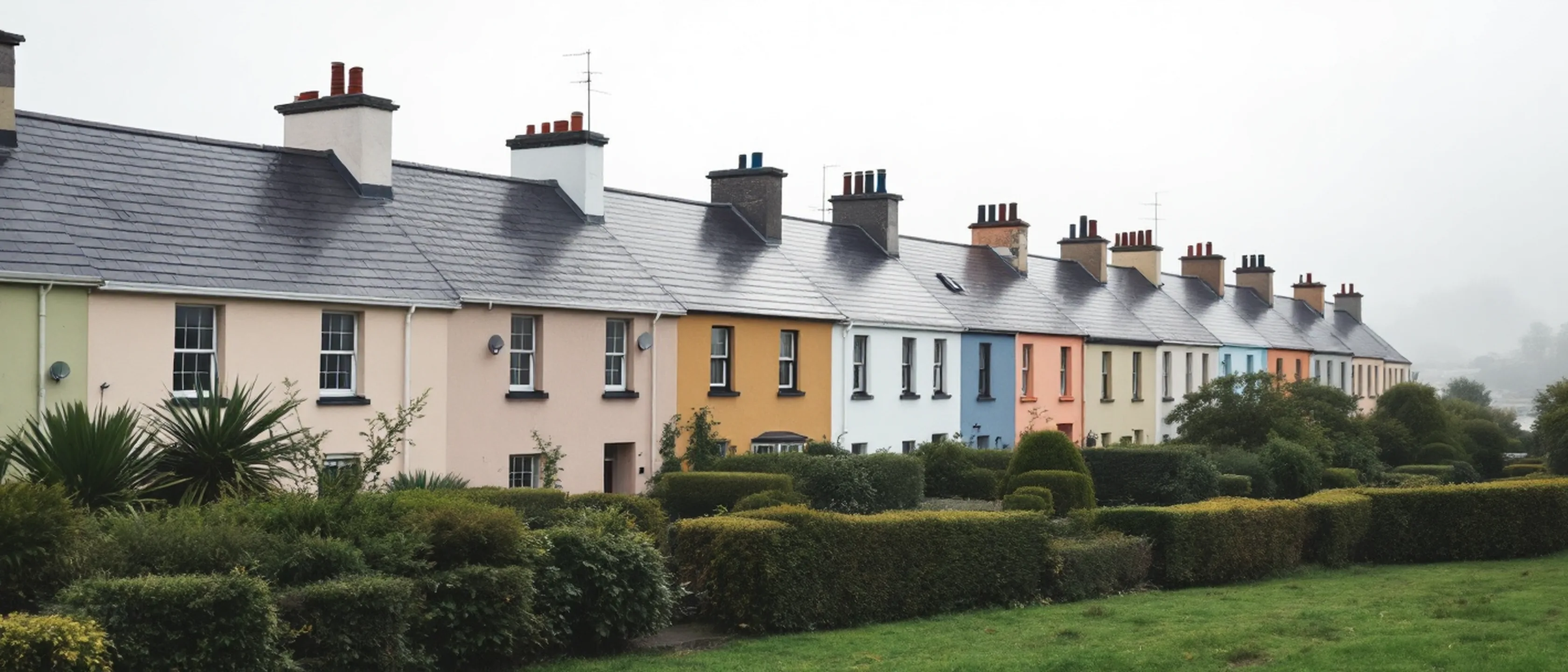
The usual plan of a family moving abroad goes: rent first, arrive at your own pace, then buy. It is a good plan, and in Ireland it does not work that way. Not because you are doing anything wrong, but because the market that plan depends on barely exists. Below are the figures behind that, what they mean day to day, and the plan that works instead.
The figures
| Date | available | change on a year earlier |
|---|---|---|
| 1 February 2026 | under 1,800 | −22% |
| 1 May 2026 | just under 2,400 |
The lowest level for that date since the series began in 2006. The average rent for a home in Dublin stands at €2,700.
Source: Daft.ie Rental Report, Ronan Lyons. As of: Q1 2026, published May 2026.
That figure needs reading twice: under 1,800 homes free to rent, not per county but in the whole country. With supply like that, renting is not a way to live but a stopgap. We do not say this to frighten you, but so that you judge the search correctly: anyone who finds a good rental house in the region has been lucky, not thorough.
What renting costs when it does work out is shown by the register of the Residential Tenancies Board (RTB), the tenancy regulator, for the region:
| Type | Wexford | Waterford |
|---|---|---|
| New tenancies | €1,231 | €1,371 |
| Existing tenancies | €1,023 | €1,011 |
| Asking rents on the market (Daft.ie) | €1,435 | €1,490 (city) |
RTB figures for Q1 2026, asking rents for Q1 2026; new tenancies in County Cork stand at €1,678. The gap between existing and new tenancies shows what the shortage costs.
Source: RTB Rent Index Q1 2026 (standardised rents, published September 2026); asking rents: Daft.ie Rental Report Q1 2026. As of: retrieved 23 August 2026, RTB figures 23 October 2026.
What a family from abroad meets in practice
With so little supply, the landlord chooses, not the tenant. Expect good properties to be gone within days and expect to apply with a complete set of papers, as if for a job. How strict the selection is in detail is so far only anecdotal for the region, so you will find no checklist here that we cannot stand behind; the basic rule holds all the same: whoever can move in at once and has the papers ready beats anyone who still has to ask.
Sebastian knows how it feels when it goes wrong: in 2015 his landlord gave him notice by email while the family was on holiday, and in the whole of Lismore there was no second house to be had. The whole story, with what he learned from it.
As a newcomer you face one more thing: you are competing with applicants who bring Irish payslips, Irish landlord references and an Irish rental history. That is no reason to panic, but it is a reason not to make the rental market the foundation of your family’s plan. It is the bridge, not the house. And if you are weighing Ireland against staying in England: the Office for National Statistics puts the average rent in England at £1,466 a month (September 2026), against 1,839 euros for new tenancies in Ireland in the first quarter of 2026. Rents in Ireland and England are closer than many expect.
Where you live while you search
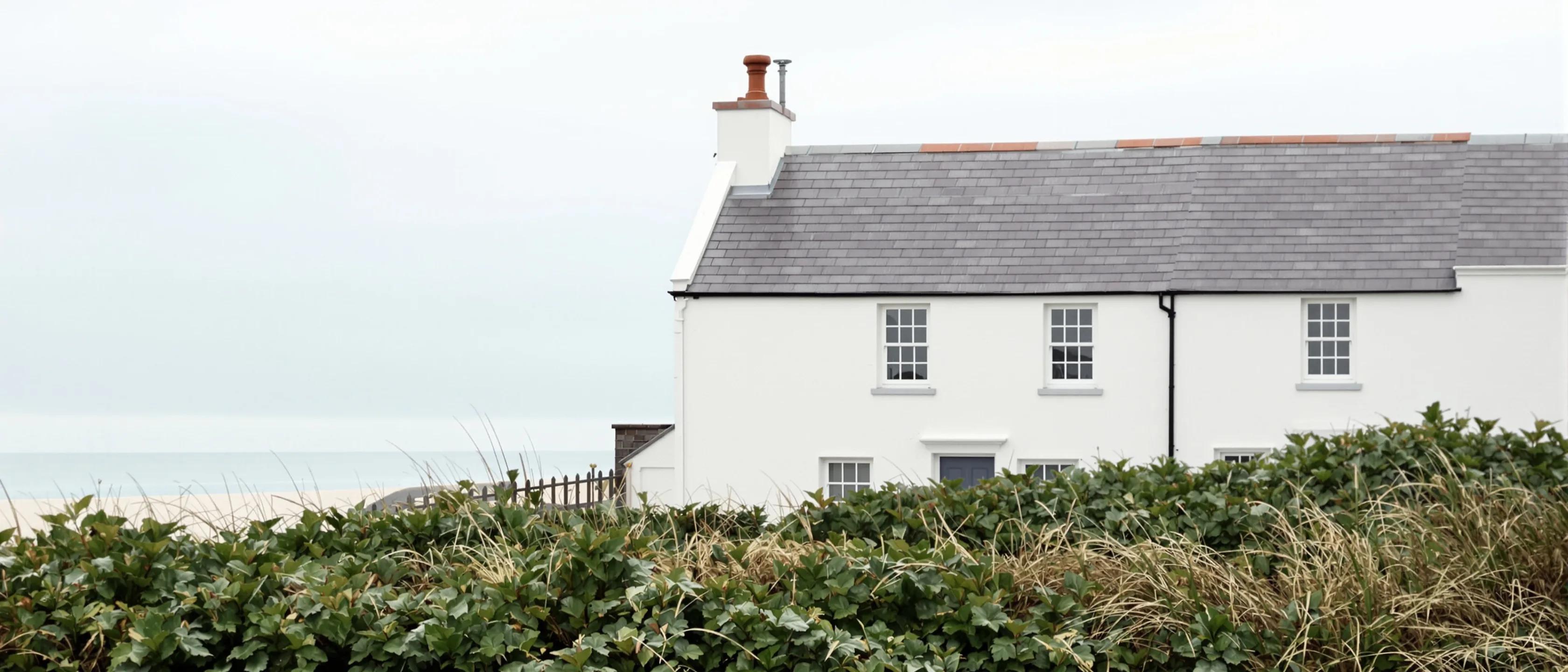
The real question here is not whether the rental market is difficult. It is. The question is where your family lives in the months when you search, view and buy. And there is an answer to that, one that comes from the region itself.
The south-east is a holiday coast. From Rosslare to Kinsale there are holiday homes that are booked from June to August and stand empty from September. That window is your bridging home: a holiday house out of season, rented by the week or the month, with room for a family and an end date that does not tie you down. Add to that furnished short lets of the kind offered on the well-known platforms, whose prices also fall out of season.
That gives the timetable we recommend to families, and it turns the usual order on its head: arrive in autumn rather than in June. In autumn the holiday lets empty and become negotiable, the schools have just started (you plan the start of school with our page on moving with children), and you look for the house from a position of time rather than under pressure. So the weakest point of the Irish housing market, searching against the clock, becomes a position of calm.
Why this is the reason to buy
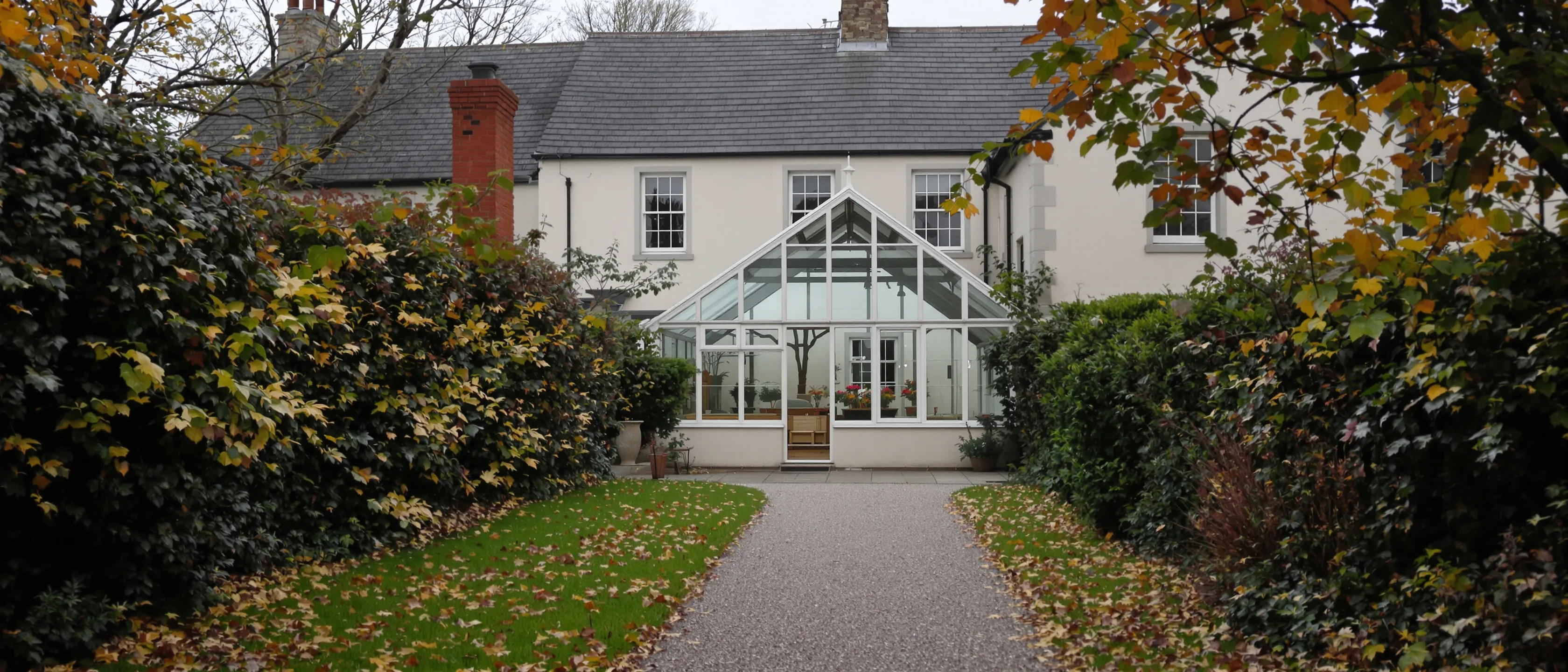
Now the reversal on which our whole property section rests: the empty rental market is no reason to write Ireland off. It is the reason to buy. The shortage lies in homes to rent, not in homes to buy. The same market that wears tenants down is an opportunity for a buyer with capital: house prices in the region sit far below Dublin’s, as the 12-month median in New Ross and the median for existing homes in Waterford show.
How buying a house in Ireland works
More in Property
Ask someone who lives there
Marc tells you what a price really means in your area, which school suits your family and in what order to tackle things. You take the steps yourself.