In Ireland, renting is the problem. Buying can be the answer.
In the south-east you can still find family homes at prices that have little to do with London. Here you will find the market, the process, the financing and the costs.
Straight to the topics:RentingBuyingPricesMortgagesBuying costs
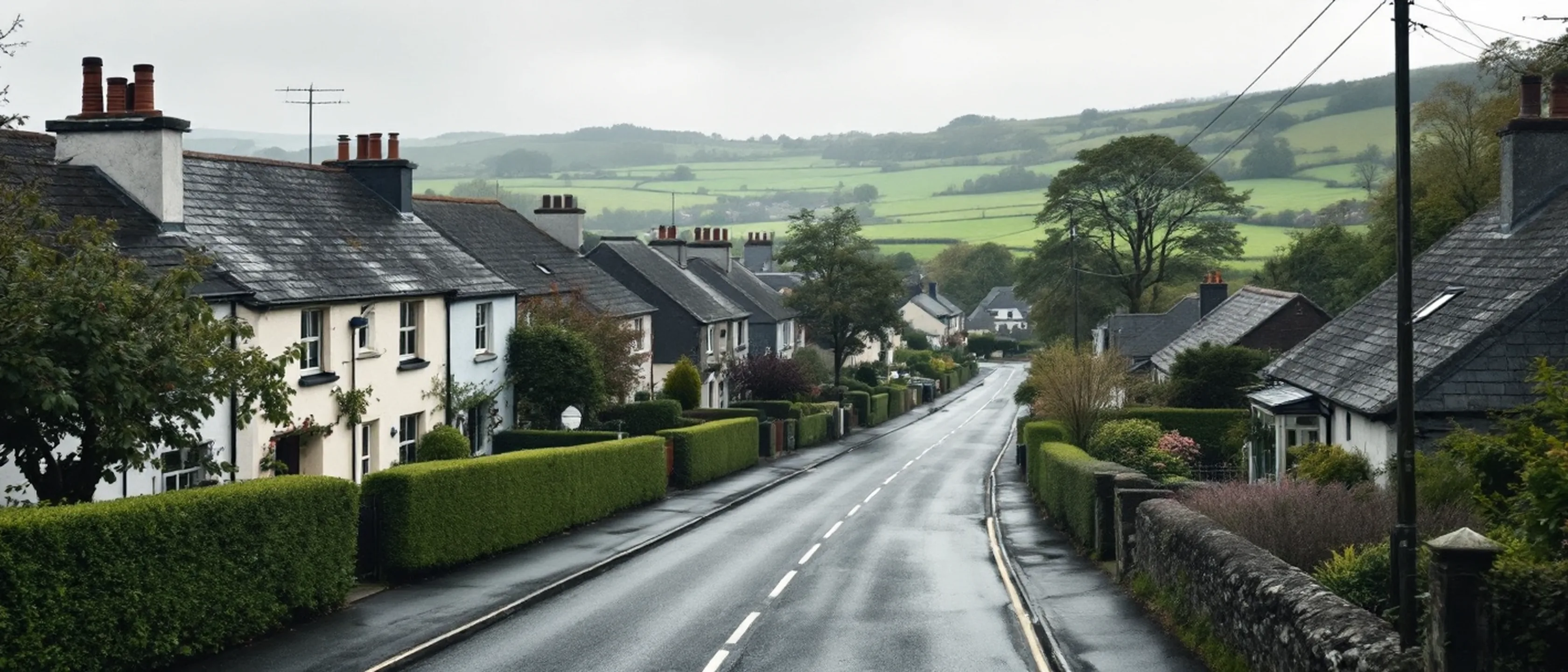
You have read the headlines. The housing crisis. Families searching for months. Viewings with dozens of other people. A rental market where even people on good incomes struggle to find anything at all.
And at some point one thought takes a seat at the table whenever your family talks about Ireland: if we cannot find a house there, nothing else matters. The passport does not matter. The schools do not matter. Neutrality does not matter. Because before anything else your family needs a front door, behind which they can take their shoes off in the evening.
The bad news first, without any gloss: Ireland’s housing crisis is real. On 1 February 2026 there were fewer than 1,800 homes to rent, flats and houses together, available in the whole country. Fewer than on any 1 February since the series began in 2006. Supply had fallen by another 22 per cent on the year before. This is not a Dublin problem. This is Ireland.
And that is exactly why I would give a family with capital a piece of advice today that sounds completely wrong at first.
Do not come to Ireland planning to rent for years. Come planning to buy yourselves a home.
Sebastian does not give this advice from theory: he rented in Lismore for a year, without a lease, and was put out of the house by email. Why he would buy today.
Because when you buy, the situation turns around.
Why I would decide differently today
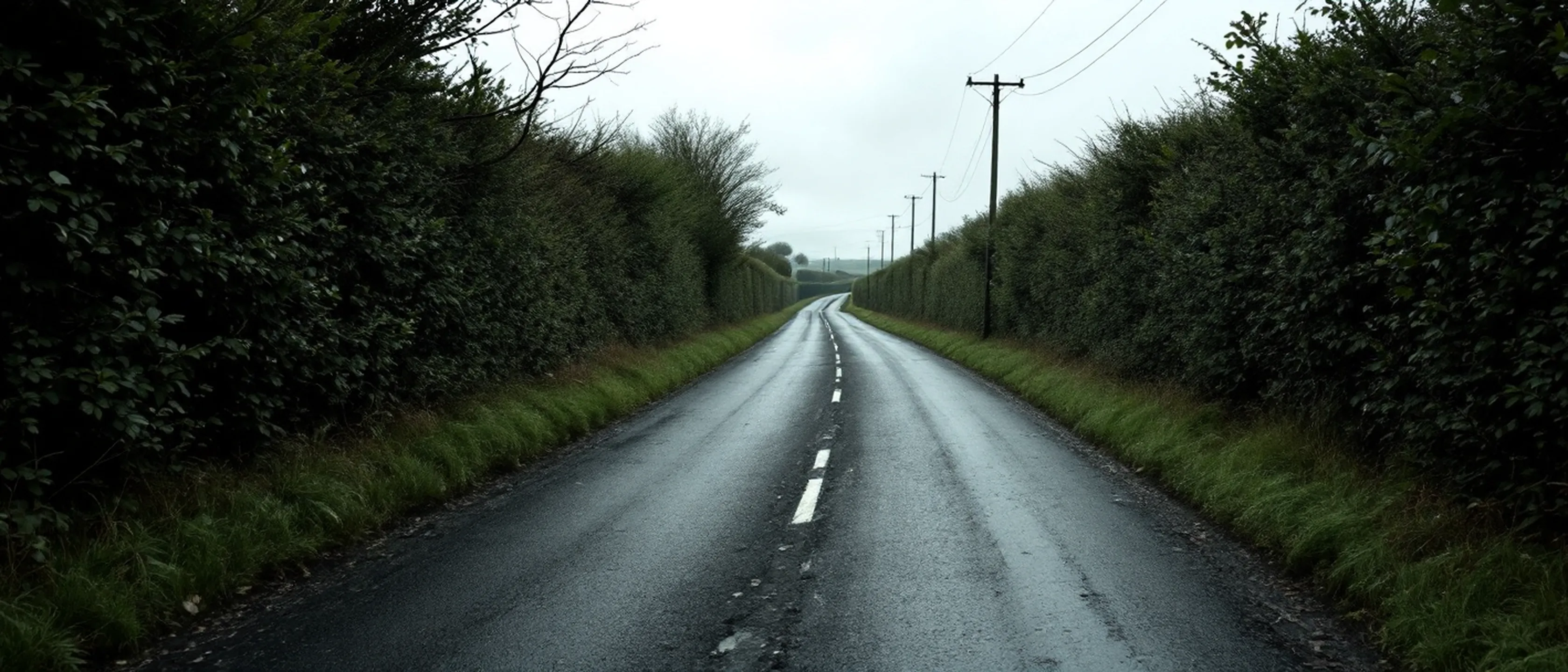
I rented myself in 2014. And that is exactly why I advise buying today.
In August 2014 I moved with six children to Lismore in County Waterford. Before that we had crossed Ireland in a hire car and looked at a dozen houses or so. In the end we found something you would hardly believe today: an eighteenth-century Georgian country house on four acres. The rent was 750 euros a month. The house stood outside a village of fewer than a thousand people, about an hour from Cork.
It was beautiful. It was also cold enough that the heating cost more than the rent.
At first we had no car. There was one bus a day to Dungarvan, and the nearest proper supermarket was half an hour away. For the everyday things there was the Centra in the village, an excellent butcher and the chipper. So we planned meals for weeks ahead and did one big shop a month. The children went to the local schools, were taken in, made friends and got on well. We went for walks. We lived on the Blackwater. Father Cullinan came by on his bicycle, sat down for tea and once stayed for two hours.
That was no holiday-cottage life. That was our home.
And then I came to know the other side of renting.
Our arrangement back then was informal. We had no lease and had paid no deposit. While we were away, the landlord ended the tenancy.
I am not telling you this because a family renting in Ireland today will go through the same. I am telling you because my own experience changed the way I think about property in Ireland.
If you only want to live somewhere for a few months, flexibility is worth a lot. But once you put your children’s roots down in a community, once they walk the same way to school every morning, find friends and make their room their own, stability takes on a different value.
Then at some point you want to know: this is ours. Nobody decides for us when we leave again.
Renting in Ireland
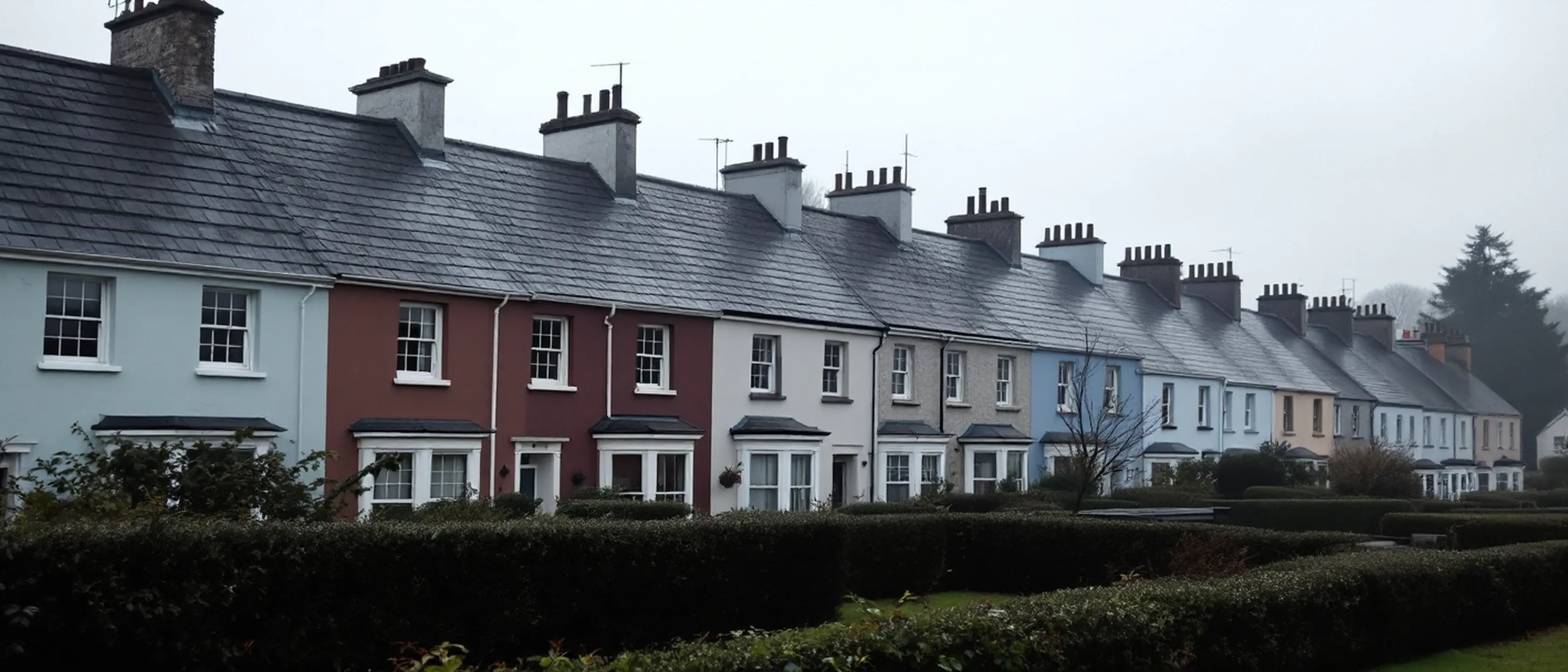
Anyone coming from Britain, Scandinavia or the Low Countries normally expects the opposite. You rent first. You get to know the area, the children start school, you find out where you like to shop, where your children’s friends live, which road is a nuisance in the morning and which town feels quite different after six months from how it felt on a viewing trip. And at some point you buy.
In Ireland, that sensible order can become the harder road.
Not because renting is impossible. Families find houses. The families we work with find houses. People move house within Ireland every day. But you are entering a market where supply is scarce, and that changes your position. You can be solvent, have references and be ready to move in tomorrow. None of that creates one more property.
So a family with capital should not enter the Irish rental market expecting to pick ten suitable houses on a property portal, view five of them and then calmly choose the nicest. That expectation produces frustration.
I would treat the rental phase as what it can be: a bridge. Time to arrive. Time to see the towns in the morning and in the evening, to drive around with the children, to see whether the school really suits, to find out whether you would rather live ten minutes from the sea or right in a small town.
Your first home in Ireland does not have to be the house for the next twenty years. First of all, it has to let your family arrive.
But if you already know that Ireland is to be your new home, I would not put off buying for years just because that might be how you would do it back home. The rental market simply gives you too little in return.
Buying in Ireland
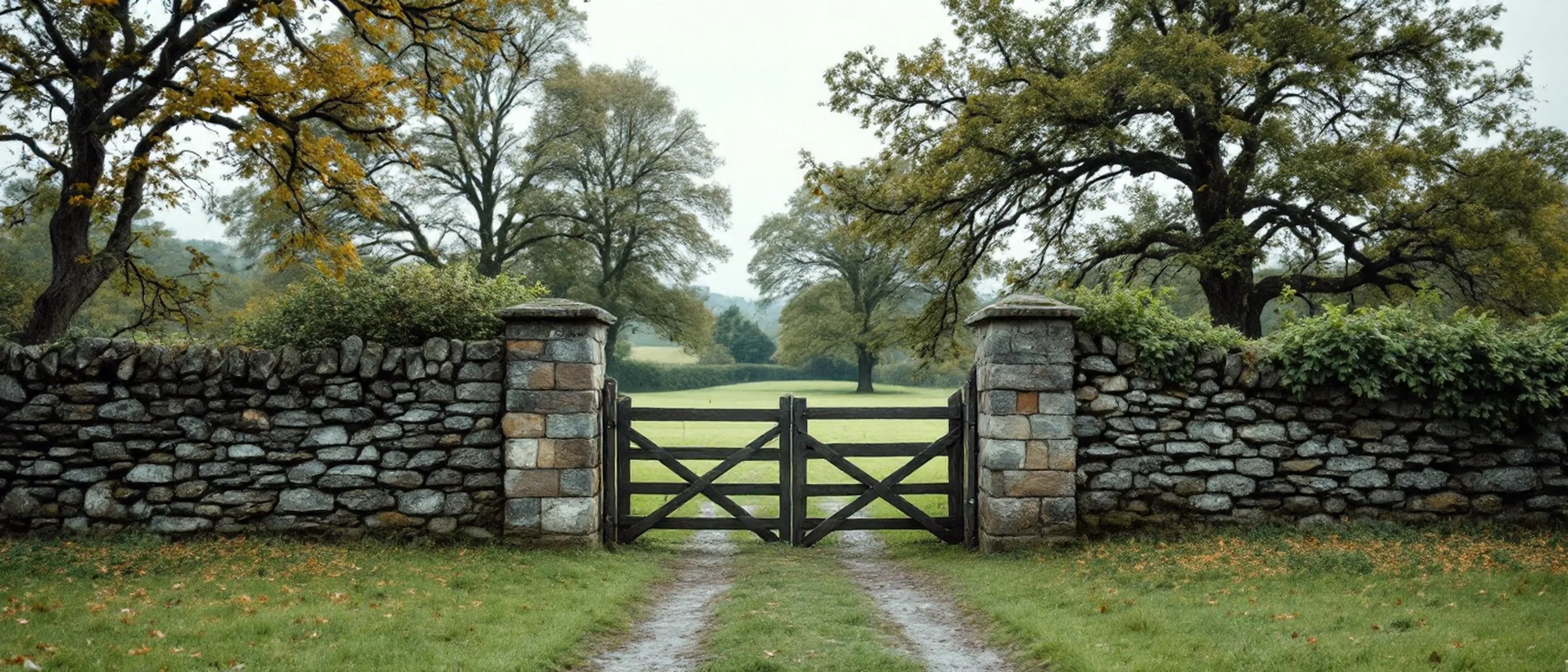
The phrase “housing crisis” leads many people interested in Ireland to a false conclusion. A shortage on the rental market does not mean you cannot buy a house. These are two different markets.
And for the families Saol Nua Plan is meant for, that difference is decisive. We are not talking about a student coming to Dublin for a semester, or about someone emigrating without capital who has to pay for a roof out of each month’s income. We are talking about families who often bring capital with them, from a business, a property or years of building wealth.
For them the relevant question is not only: where can we rent something? The more important question is: what can we buy?
And as soon as you ask that question, Ireland looks different.
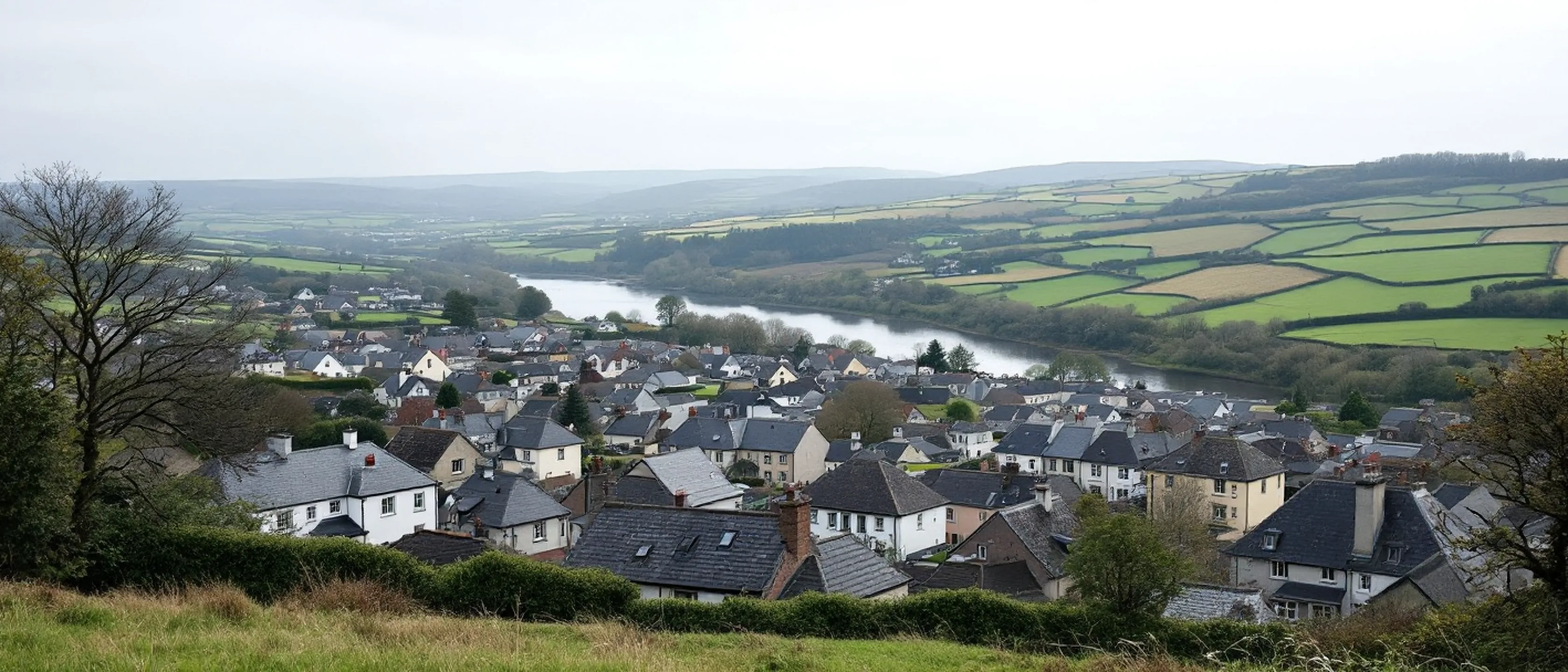
Dublin distorts the picture. Anyone reading international reports on the Irish property market lands almost automatically in the capital, where jobs, international companies, new arrivals and therefore a great deal of demand are concentrated. But Dublin is precisely where we do not advise a family with capital to build its new life. Our corridor lies in the south-east: from Gorey along the Wexford coast and Rosslare, through New Ross, Waterford and Dungarvan to Cork and Kinsale.
There, owning a home can suddenly become part of the emigration plan instead of the obstacle it founders on. In New Ross the 12-month median sale price stands at €230,000, and for existing homes in Waterford at €262,500. Median means: half of all sales came in below it.
These are no promises that you will find your dream house at that price. A renovated house on the water costs something different from a plain terraced house. Gorey already sits on the edge of the Dublin commuter belt and follows a different dynamic. Location, condition, land and the exact spot still decide.
But the figures show something far more important: buying a family home in the south-east is not a theoretical option for millionaires. It can be a realistic housing strategy. And that changes the whole move.
What ownership really buys your family
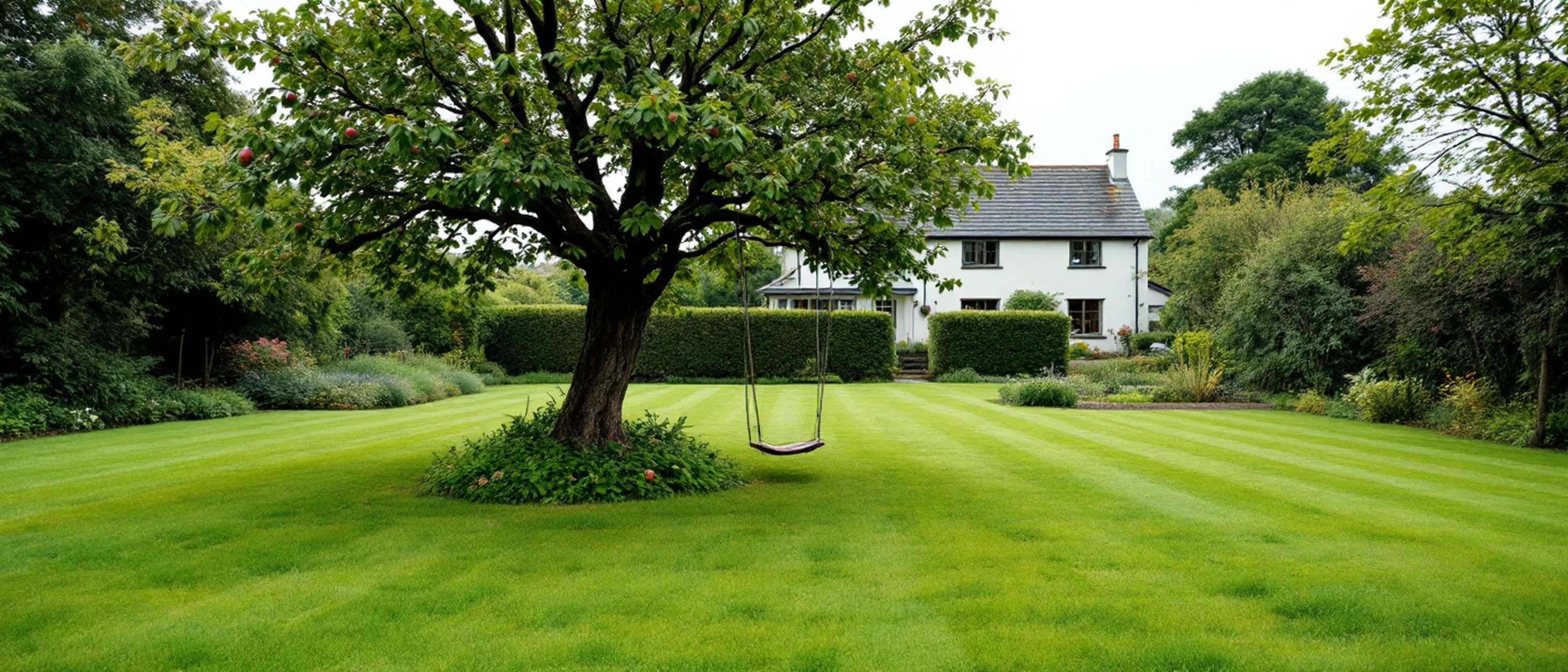
Of course, when you buy a property you buy square metres, a plot and a roof. But as a family moving countries you buy something more valuable: certainty.
You know where the children will sleep in September. You can furnish their rooms without packing boxes again at the next lease. You can get a dog, change the garden, buy the kitchen table that is really too big. Above all, you can stop treating a place as a stopover.
For children that makes an enormous difference. When a family moves abroad, the adults think about tax residence, house prices, banks and residence rights. Children think differently.
Where is my room?
Where is my school?
Can my friend come over on Saturday?
Are we staying here now?
Ownership can turn the “Ireland project” into your family’s home very quickly. In the small towns of the south-east especially, that carries weight. You are not moving into an anonymous city where after two years you move three streets on and start all over again. You are choosing a place.
And at some point that place knows you.
The costs of buying
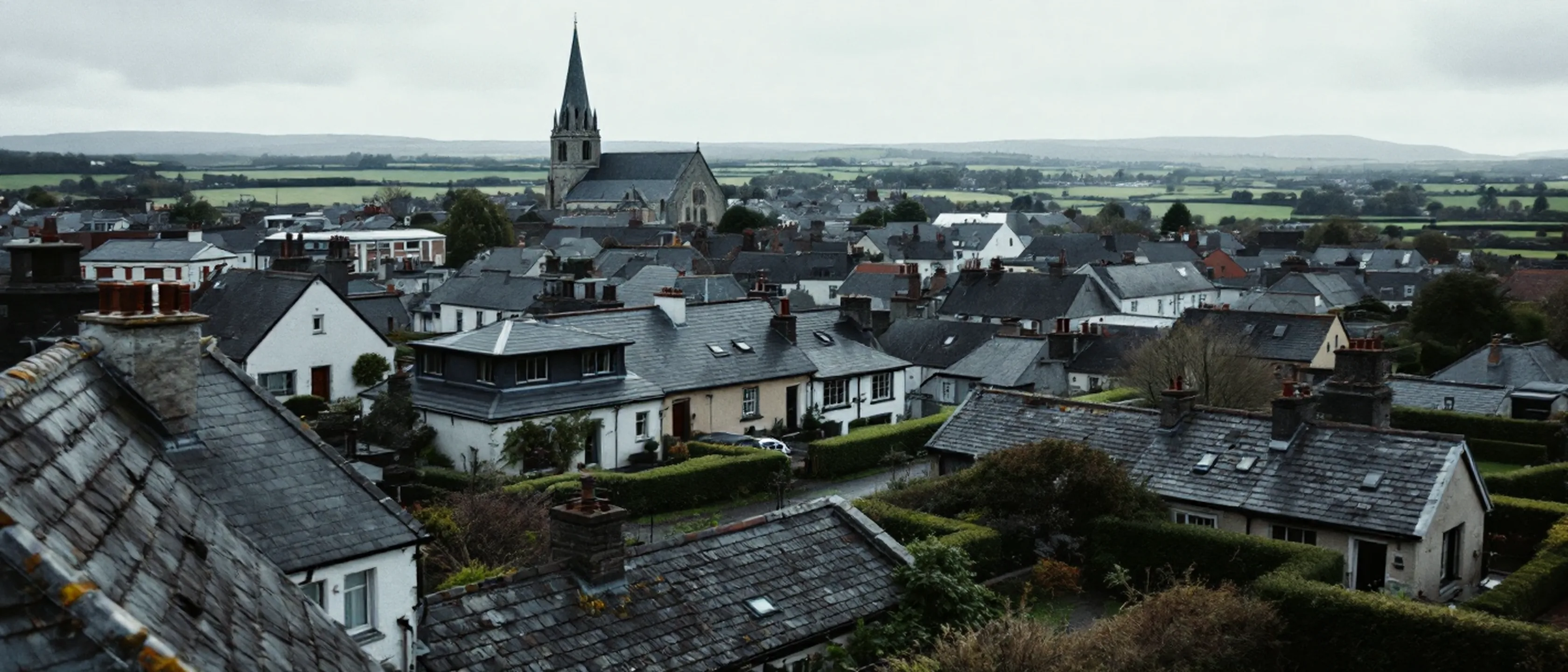
A lower purchase price helps little if a second fortune then vanishes into taxes and running charges. That is another reason the sums have to be complete.
On a house costing 350,000 euros, stamp duty comes to 3,500 euros. On top come the costs that belong to the purchase itself: the solicitor plays a central part, and the condition of the house has to be checked. With older Irish houses in particular, I would not treat the survey as a formality. Local Property Tax belongs in the running sums too: for properties worth up to 420,000 euros, LPT is 333 euros a year.
All of this has to be on the table before you buy. A low asking price alone does not make a good purchase, and a beautiful old house can become expensive if damp, roof, heating or structure cause trouble.
I have lived in a historic Irish house myself. I can assure you: romance does not keep you warm. Our house in Lismore was extraordinary, it was a wonderful place for that time in our lives, and the heating still cost more than the rent. Both can be true at once.
That is exactly the honesty you need when you buy a house.
Mortgages for newcomers
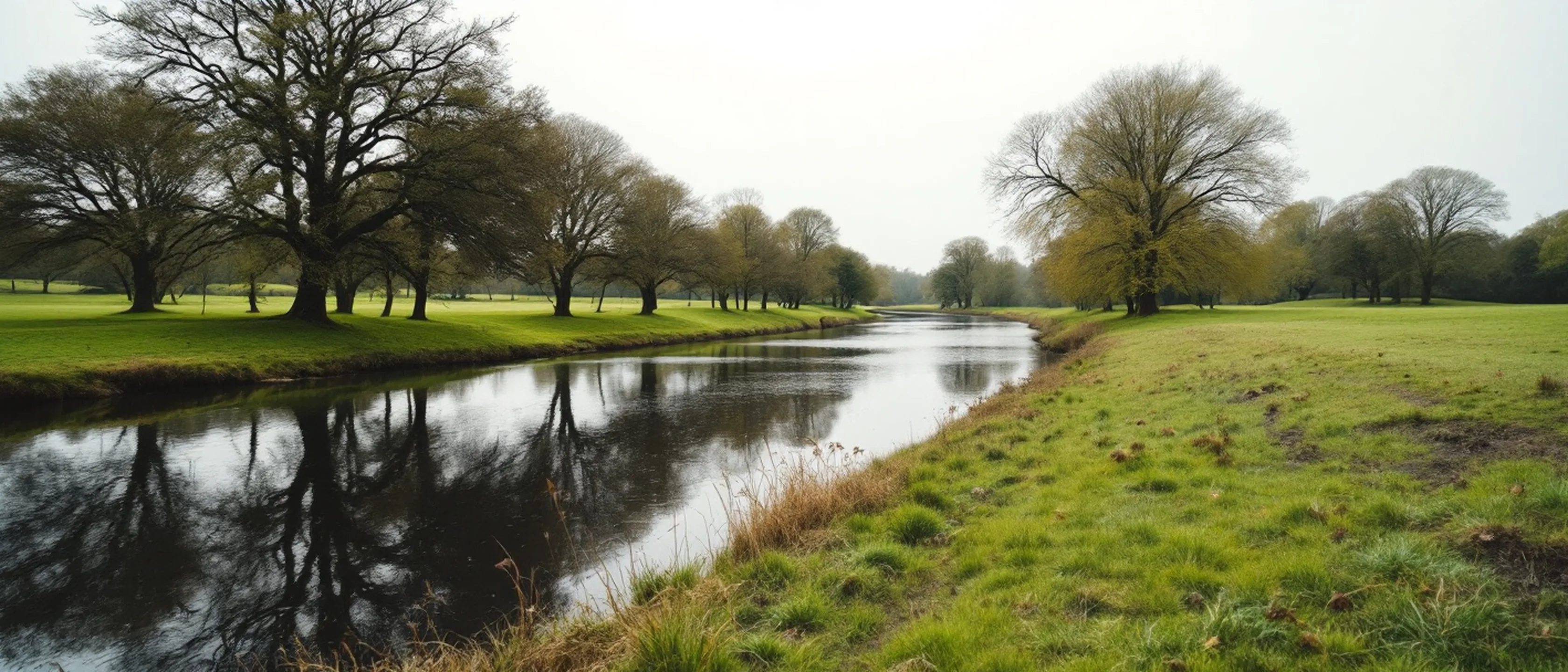
Not every family wants to put all its capital into the house. That is understandable. Entrepreneurs and investors in particular can have good reasons to keep liquidity and finance part of the price.
Here, though, you have to keep the property market and the lending market cleanly apart. Being able to buy a house in Ireland does not automatically mean an Irish bank will finance your purchase on the terms you know from home. Foreign income, your current residence, where the income comes from and your individual credit standing can all affect the mortgage.
So I would never turn the order round. First settle how much capital is really available for the purchase. Then settle which mortgage is realistic in your situation. And only after that look at houses whose price fits those sums.
Nothing is more emotional than a house where you can already see your children at the breakfast table. And nothing is more needless than falling in love with exactly that house before the financing is settled.
The house is part of the decision for Ireland
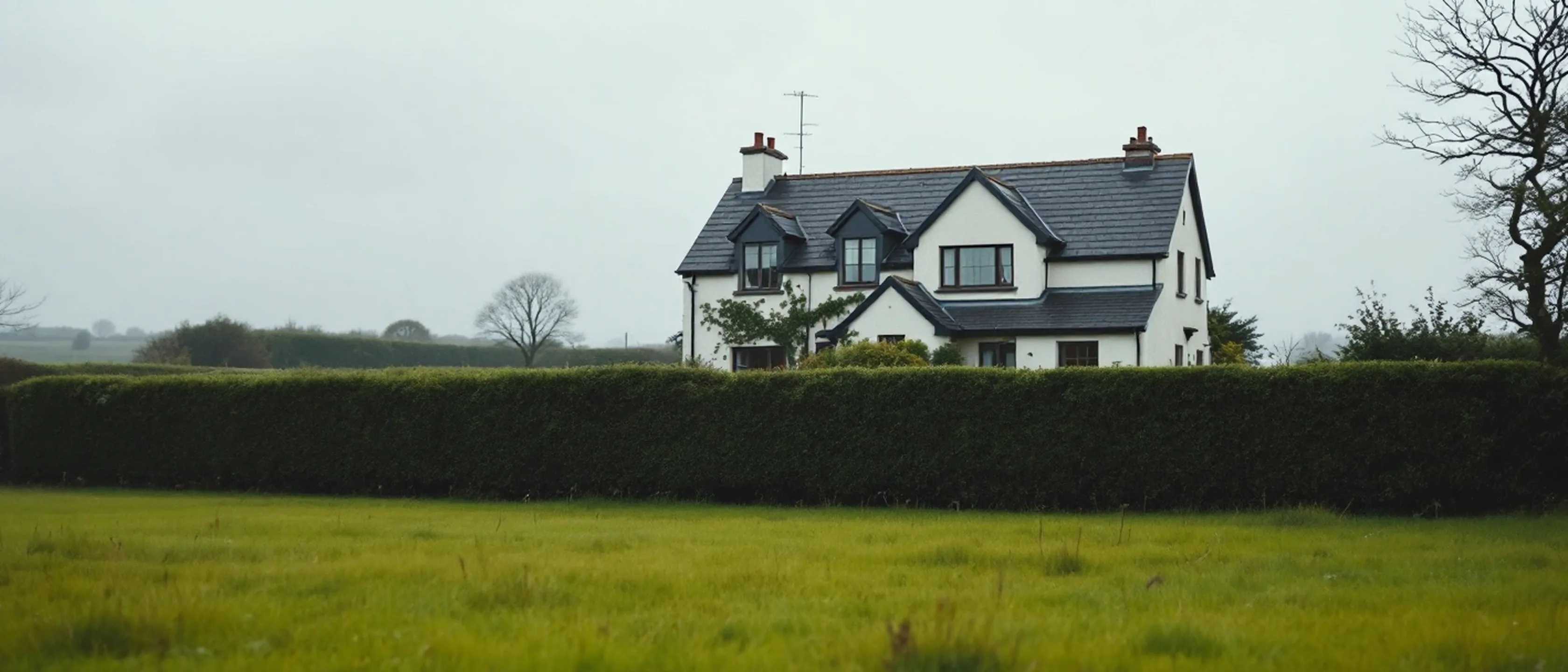
There are countries where a property is mainly a financial decision. When you move abroad with children it is much more than that. It decides how the new life feels.
A house ten minutes from the school makes a different daily life from one that means a long drive every morning. A house in a small town makes a different daily life from one entirely alone in the countryside. An old house can be beautiful and swallow money every winter at the same time. And a house by the sea can be the dream you left for in the first place.
That is why I would never start by searching property portals for the most beautiful listing. Life comes first. Then comes the house.
Where should your children go to school? How much seclusion do you really want? Do you want to be able to walk to a café? Do you want land? Do you want the sea? How often do you need the airport? How much does Rosslare matter to you? How much capital do you want to tie up in a property for good?
Only once those questions are answered does the search make sense. Because the right price for the wrong house is no bargain. And the right house with financing that does not work helps you just as little.
Ireland’s housing crisis need not wreck your plan
The housing crisis is probably the strongest objection to moving to Ireland. We do not play it down. Fewer than 1,800 rental homes available in the whole country on a given day is no marketing detail. For a family that has to rent long term, it can be a serious problem.
But perhaps that is exactly why you have got stuck on the wrong question.
If you bring capital, you do not need to ask whether the Irish rental market is pleasant. It is not. You need to ask whether you can find a house in the south-east that your family will be glad to call home.
That is a different question. And it has a much more interesting answer.
Before you view houses, let us settle which life you actually want to buy.
Ireland only works for a family when place, school, property, tax position and long-term plan fit together.
In a consultation with me we therefore do not look at a house in isolation. We look at your family, your capital and where in the south-east your life could actually work.
Then you know what to look for before you fall in love with the wrong property.