Buying a house in Ireland: familiar in outline, different in the detail.
A solicitor on each side, sale agreed before any binding contract, a survey before you commit: we take you through the process before you fall in love with the first house.
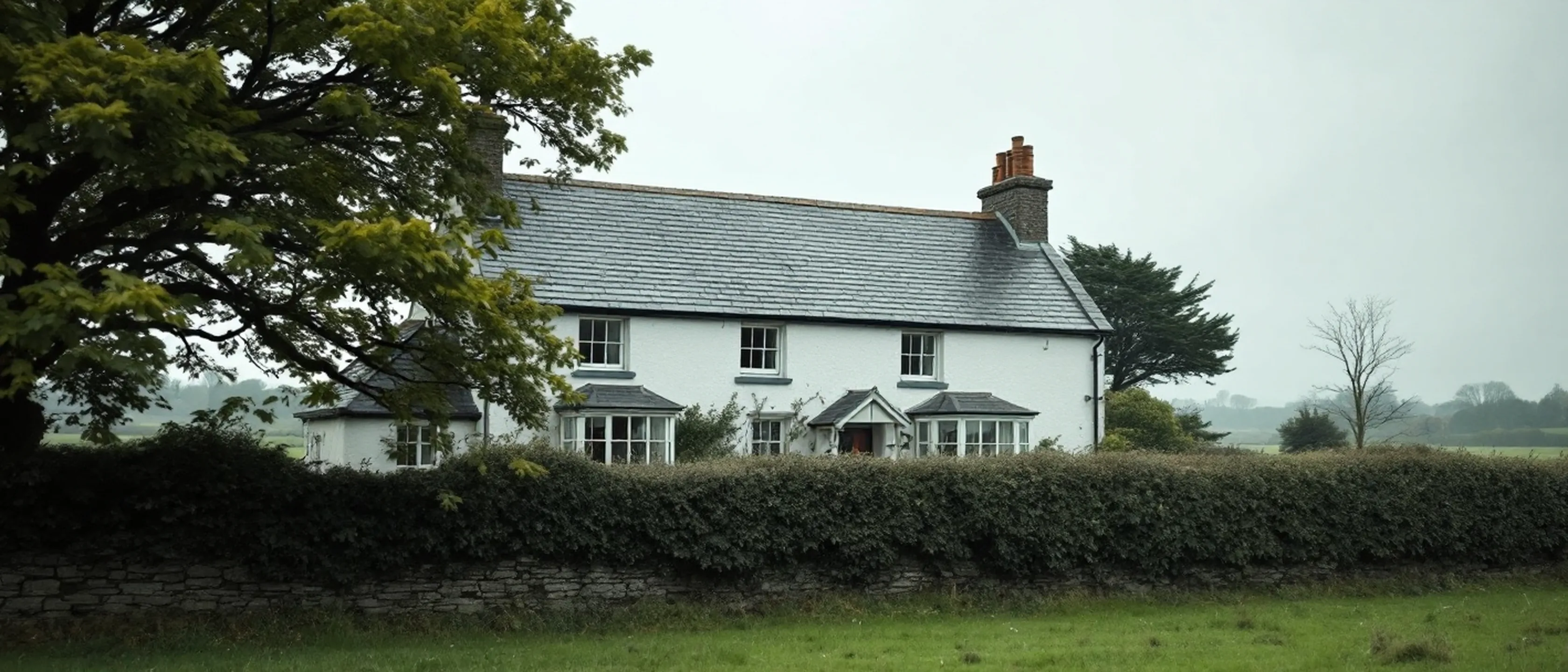
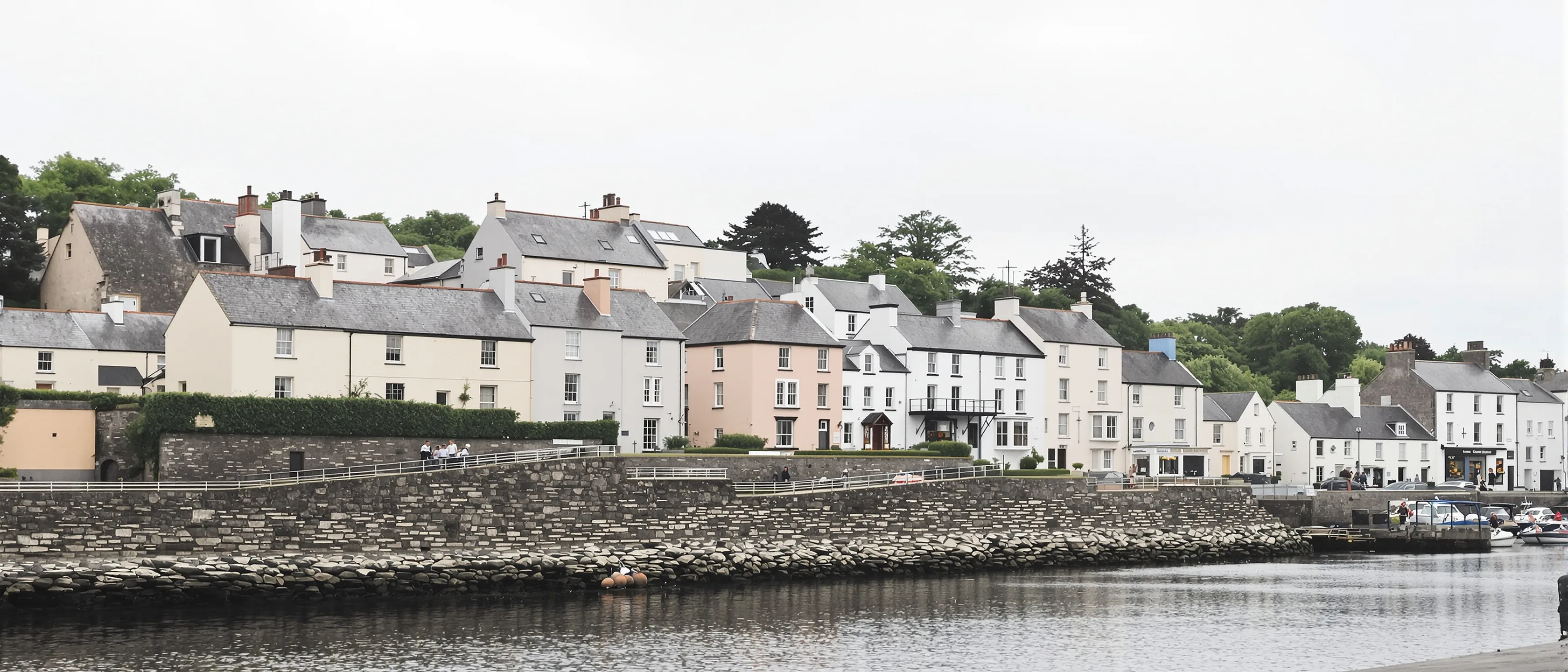
Buying a house in another legal system feels like a bigger risk than it is. If you have bought in England or Wales, the Irish process will look familiar in outline: a solicitor on each side, an accepted offer that binds nobody, a contract that does. The differences sit in the detail, in the words used, the booking deposit and the order of things, and that is exactly where buyers from abroad trip up. If you know them, you buy calmly. If you do not, you are surprised halfway through by things that are entirely normal in Ireland. Scotland has its own rules for buying a home, so the comparison below is with England and Wales. And why buying is the easier road than renting for a family moving to Ireland is set out in our overview of property in Ireland.
The process in five steps
| Step | What happens | How long |
|---|---|---|
| Sale agreed | Offer accepted, booking deposit paid to the estate agent. Refundable until the contract is signed. | the property usually comes off the market for three to four weeks |
| Solicitor | The contract for sale is exchanged and checked between the two solicitors. | two to four weeks |
| Survey | A building survey. Not compulsory, but the only way to check damp and structure before you are bound. | three to six weeks |
| Contract | Signature, deposit paid through your own solicitor. | within 28 days |
| Closing | Completion and handover of the keys. | four to six weeks after contracts are exchanged |
The usual overall span from sale agreed to closing: eight to twelve weeks; the professional body IPAV gives an average of 10.4 weeks.
Source: CCPC (the state consumer agency), "Buying a home, step by step"; overall average of 10.4 weeks according to IPAV. As of: retrieved 22 August 2026, confirmed 26 August 2026.
So the rhythm is manageable: an accepted offer is called sale agreed, then the solicitors on both sides work through the contract, while your surveyor checks the house, then the contract is signed and the keys are handed over a few weeks later. Two to three months in which you have little to do and a good deal to have checked.
Two solicitors, and no deal until the contract
The Irish process has no neutral official who stands between buyer and seller. As in England and Wales, each side has its own solicitor, who acts for that side alone. Your solicitor checks the contract, the title and any burdens on the property for you, not for both of you.
The second point follows from that, and it is close to what you know from England, where an offer is not legally binding until contracts are exchanged: sale agreed binds no one. The Irish detail to know is the money that moves early. When your offer is accepted you pay a booking deposit to the estate agent, and it is refundable until the contract is signed; the deal only becomes binding when signed contracts are exchanged. That protects you, because after a bad survey you can walk away without loss. And it cuts both ways: until signature the seller is not bound either. The weeks between sale agreed and contract are therefore the phase in which your solicitor and your surveyor should work briskly, not at leisure.
The survey is your protection
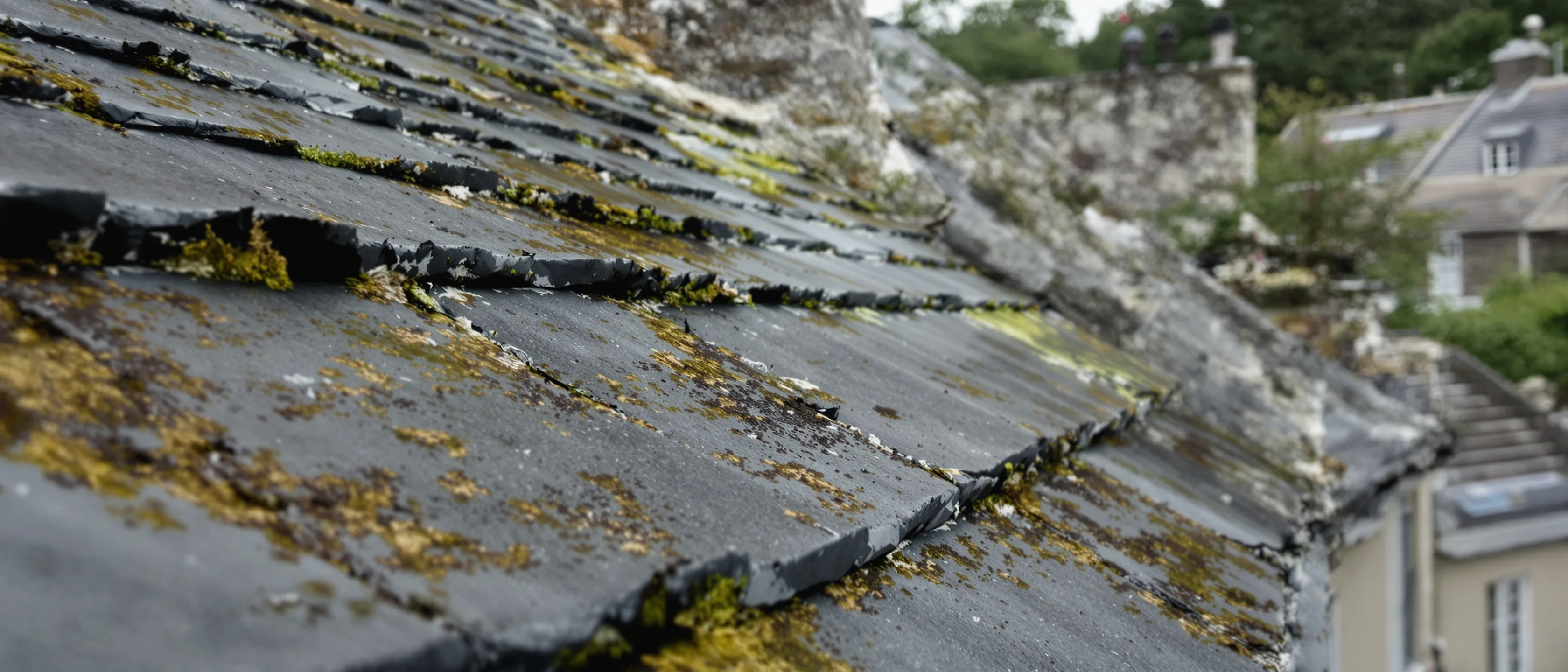
The third point: the building survey is not required by law. Nobody makes you commission one. That is exactly why the clearest advice on this page is this: do not buy an Irish house without a survey.
The reason is the housing stock, and an honest word belongs here: many houses in the region are older, and an Irish house lives in a climate that makes damp a permanent question. Damp walls, insulation, roof and structure are exactly what a viewing in a dry spell does not show and a surveyor does. The survey is the only moment in the process when someone looks at the house solely on your behalf, and it falls in the weeks when you can still walk away without loss.
A bad survey, by the way, is rarely the end: it is a basis for negotiation. Anyone who knows what the roof will cost negotiates the price differently.
What you do differently as a buyer from abroad
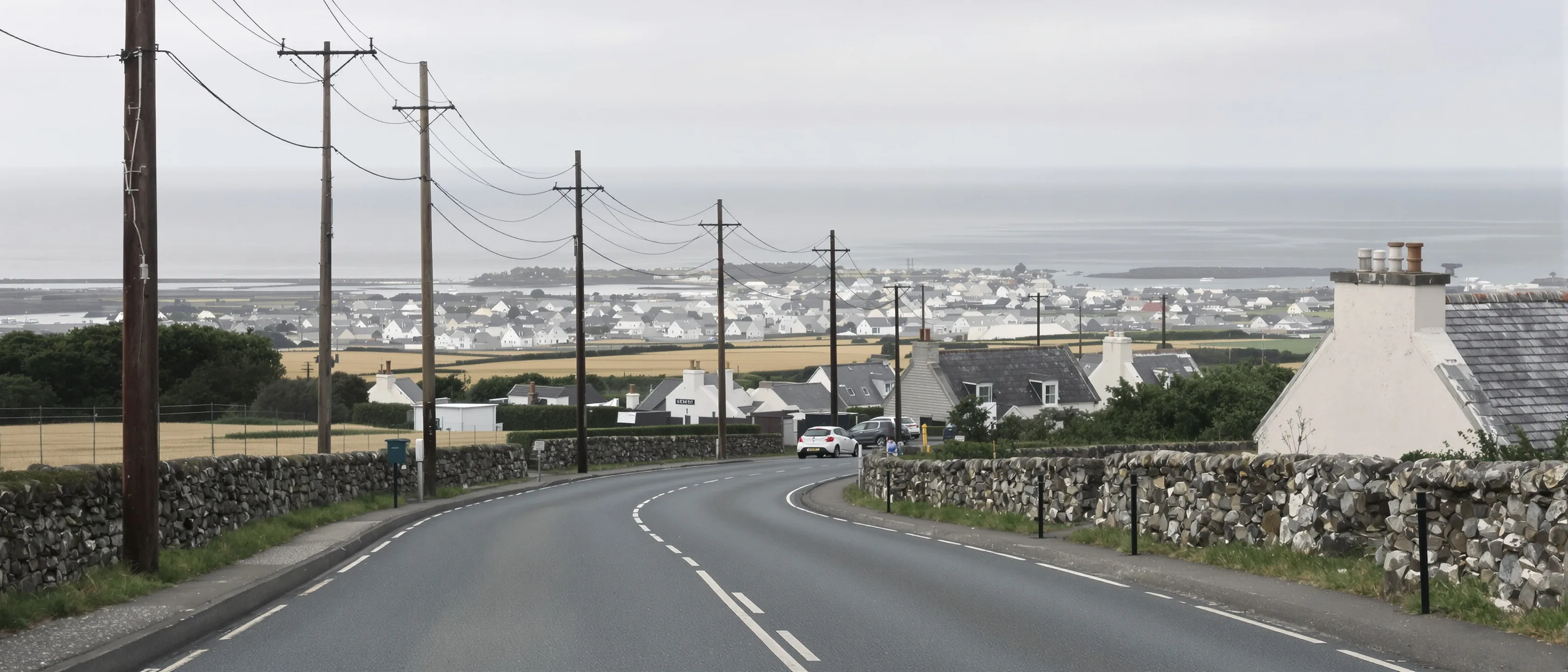
The process itself is the same for Irish buyers and foreigners; there is no restriction on EU citizens buying. What differs is your starting position, and that you can prepare.
First: instruct your solicitor before you bid, not afterwards. Between sale agreed and contract, speed counts, and a solicitor you still have to find costs you weeks. Second: have your proof of funds ready. A buyer who can show that the money is available is treated differently by the estate agent from one who still has to sort it out; as a cash buyer you have the advantage here, and what applies to buyers who borrow is set out under mortgages. Third: count the buying costs in from the start; they are modest, but not nil, and they are set out in full under buying costs.
And last, the question of place: which house in which town is realistic for which budget is shown on the page on prices, with the official medians for the region.
More in Property
Ask someone who lives there
Marc tells you what a price really means in your area, which school suits your family and in what order to tackle things. You take the steps yourself.