For you it is a move. For your child it is first of all the loss of the life it had.
Friends, school, bedroom, club: children leave more behind than adults sometimes notice. With the right timing and a good start, the goodbye can still turn into a new home surprisingly quickly.
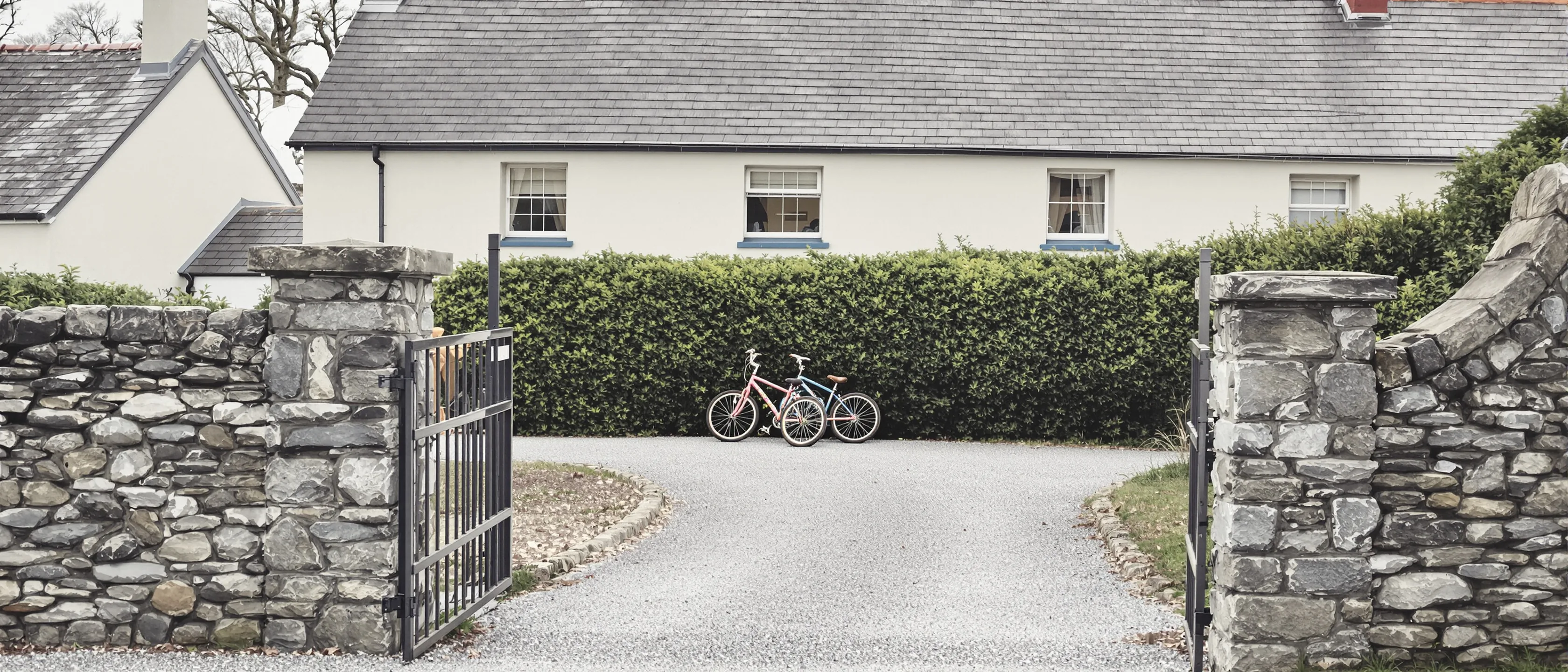
For you the move is a project with folders, appointments and a logic of its own. For your child it is something else: it loses its place. The best friend, the club, its own room, the easy certainty of belonging everywhere. That is the real stake in this undertaking, and it deserves more planning than the removal firm.
The good news: children do settle, and more reliably than parents imagine in their weaker moments. But how quickly and how smoothly depends on decisions you can steer: the timing, how you prepare the first weeks, and how fast your child becomes somebody again in a small place.
The timing in the school year
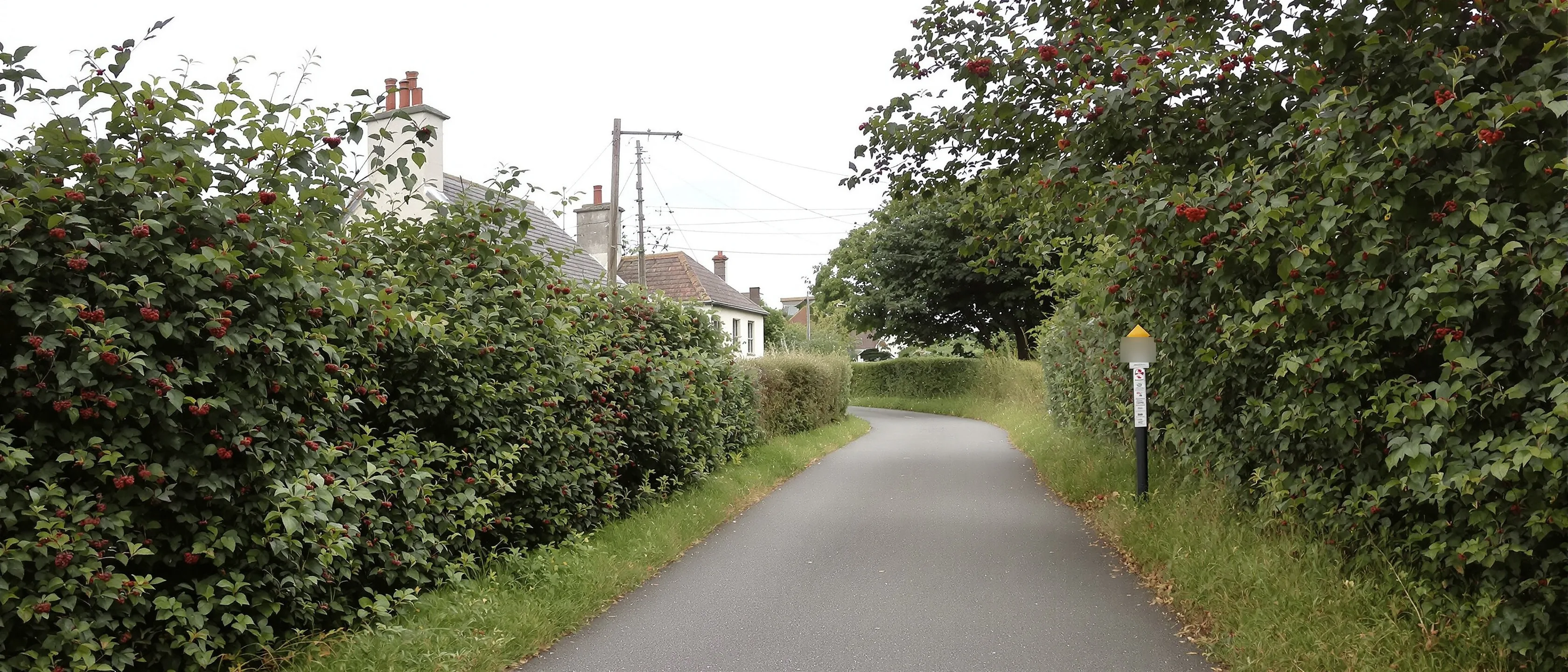
The Irish school year begins towards autumn: schools start at the end of August or the beginning of September, and the holiday blocks through the year are largely the same across the country. That gives you the natural timetable: arrive in summer, start in September, with everybody else. Your child is then one of several new faces, not the one child dropped into a settled class in the middle of the year.
The timetable behind it needs a head start, because school places are given out early: schools accept applications for the following school year from 1 October of the year before, and they must reply in writing within 21 days. If you plan in autumn for the September after next, every door is open; if you look in May for September, you depend on what is left.
Source: Citizens Information, “Choosing a primary school” (updated 28 May 2026) and “Enrol your child in primary school when you return to Ireland” (updated 22 August 2025). As of: retrieved 23 August 2026.
And if summer does not fit: starting in the middle of the school year is allowed and does happen, and the school takes your child if it has room. It is only the second-best option, and if you have the choice, choose September. It also fits the housing question better than it first appears: autumn is the season in which a place to rent in the meantime is easier to find, because the holiday lets empty out.
The first weeks
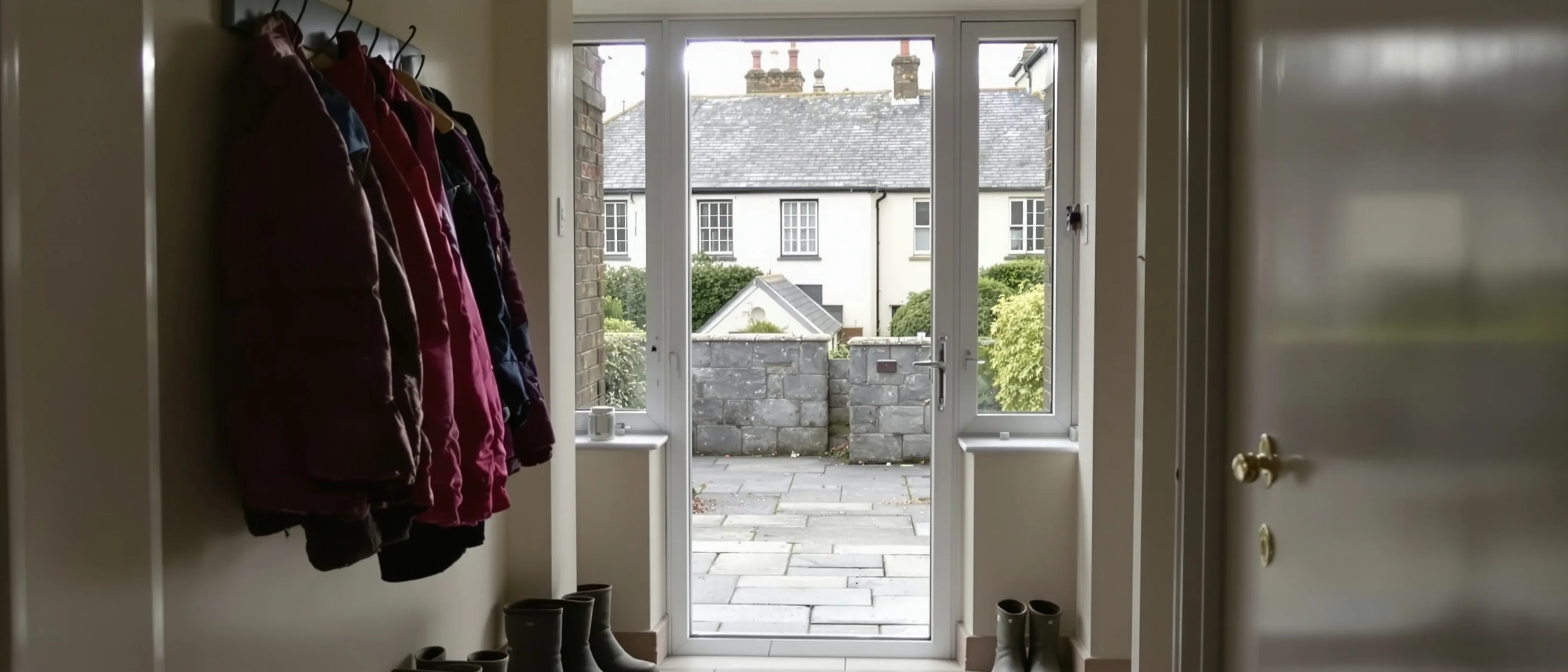
The first weeks at school do not decide whether the move succeeds, but they colour the memory of it. A few things make them easier, and none of them is complicated.
Before the first day: get the uniform the school prescribes, so your child is not the only one who looks different on day one. Do the journey to school once. If the school offers it, arrange a visit beforehand, so that the building is no longer a strange place on the first morning.
In the weeks after: expect a tired child. A school day in a language that is still work takes twice the energy; that is the transition period, it is normal, and it passes. Keep the afternoons in this phase empty rather than full, especially as the paperwork of arriving runs in the same weeks, from your residence status to your driving licence. And accept the invitations that will come: in a small town everyone notices the new child, and the first birthday invitation is worth more than any settling-in strategy.
Finding friends in a small town
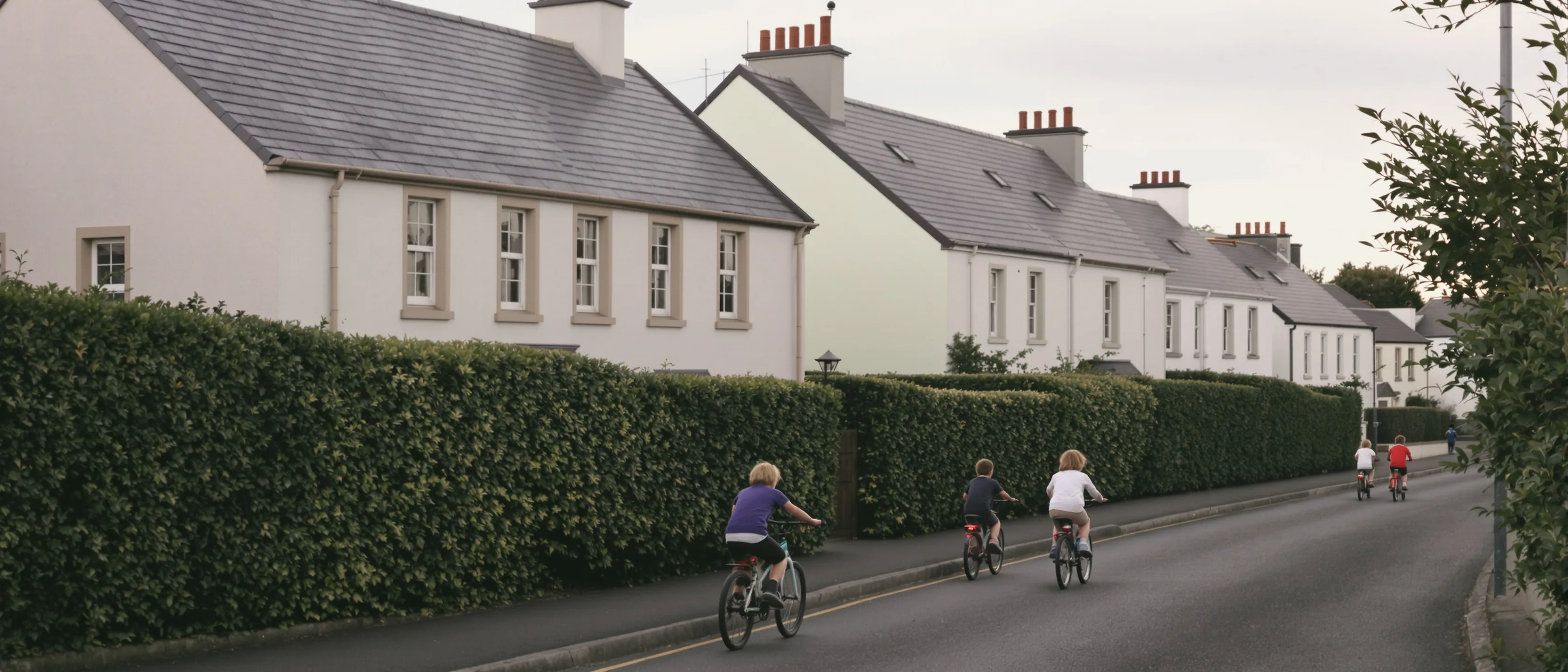
This is where the small town turns from its supposed drawback into its greatest strength. In a big city a newly arrived child can stay invisible for a long time. In a town of eight or twelve thousand people that simply cannot happen: the school is manageable, the classes know each other, and whoever is new gets noticed, usually kindly and always quickly.
The shortest way in is through sport. Almost every town has its GAA club, where the Irish games of hurling and Gaelic football are played, and depending on the place soccer, rugby, sailing, riding and swimming as well. These clubs are the social backbone of the Irish small town, and they take children who have never played the game; nobody expects a child from Leeds or Utrecht to know how to play hurling. Two training evenings a week, and after a month your child knows more families in town than you do.
The same holds one level up for you as parents: the school gate, the club and the town itself do part of the arriving for you that nobody does for you in a big city. People know who you are. That is exactly the first reason on the page Why Ireland, and when you move with children it stops being abstract.
What I took from 2014
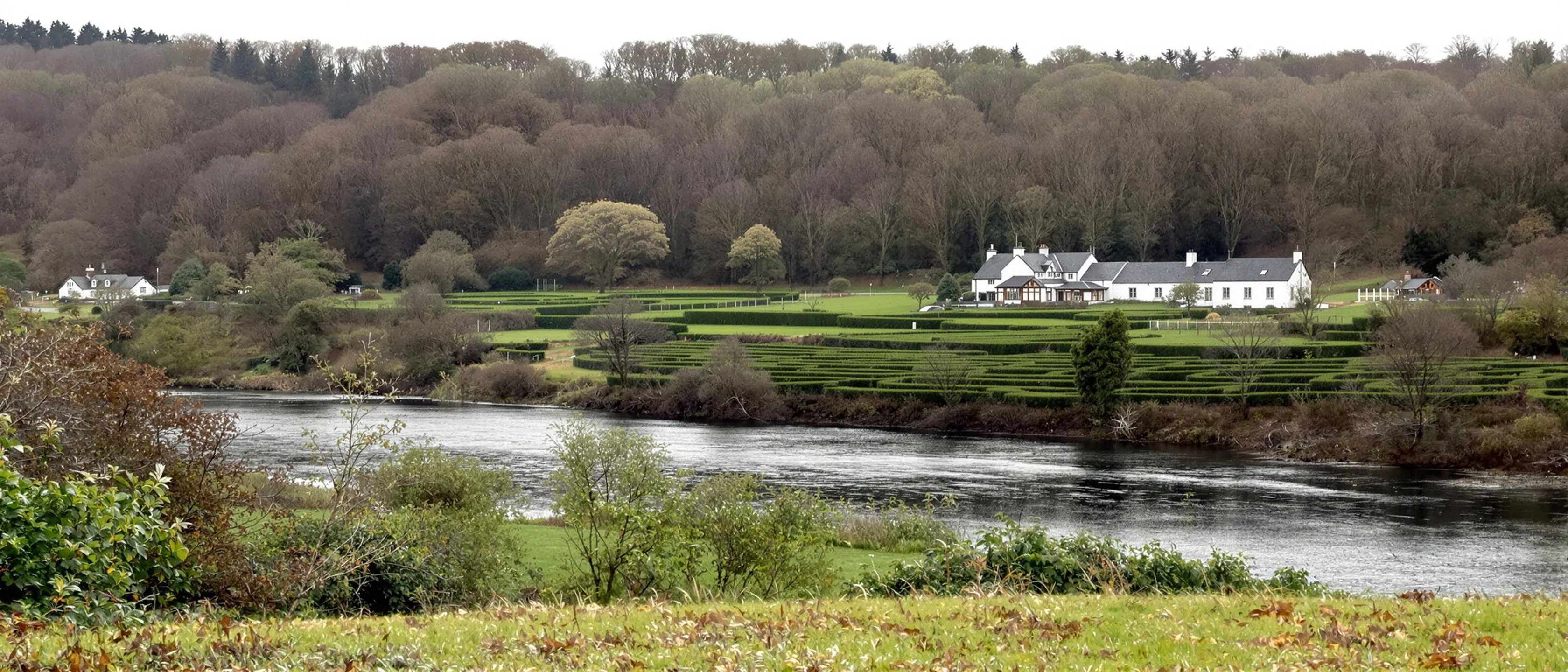
I do not write this page from theory. In August 2014 I moved with six children to Lismore in County Waterford, a town of fewer than a thousand people. My children went to the local schools there, and they got on well.
What I took from it is unspectacular: the size of the town did not make arriving harder for the children, it carried them. In a small place a child quickly becomes somebody again, and in the end that is what a child needs after a move. Not the biggest choice, but a place.
If you want to know what this region looks like and where I would search today, read the page on the South East. And if you want to work out whether the plan holds for your family, the consultation is the right place for that.
More in Family
Ask someone who lives there
Marc tells you what a price really means in your area, which school suits your family and in which order to tackle things. You take the steps yourself.