Your child learns English not as a subject, but as life.
At first it takes effort. Then something happens that no lesson can quite produce: English becomes the language of friends, school and everyday life, and at some point it is simply natural.
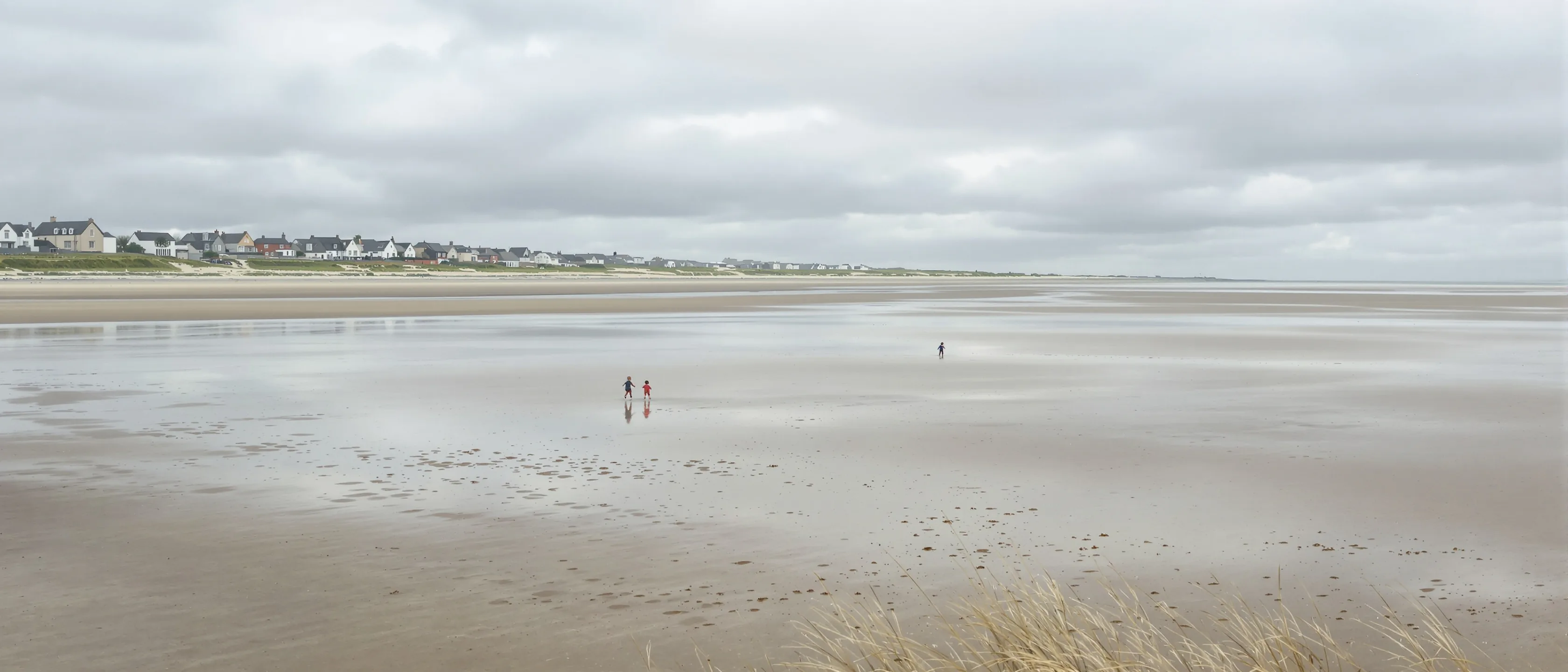
If your family comes from Britain, this page is short for you: your child carries on in its own language, and the one part you need is the section on the subject Irish. If you come from Scandinavia or the Low Countries, the worry comes up in every conversation, usually in the first third: my child speaks school English, but not real English. Can it follow lessons? Will it lose a year? And behind that, unspoken: am I asking too much of my child?
The worry is fair, and that is exactly why it gets an honest answer here instead of a brochure formula. Yes, the first months are work. And still, English as the language of school is in the end one of the strongest reasons for this move, not one of its risks. One step at a time.
The world’s language in daily life, not in a lesson
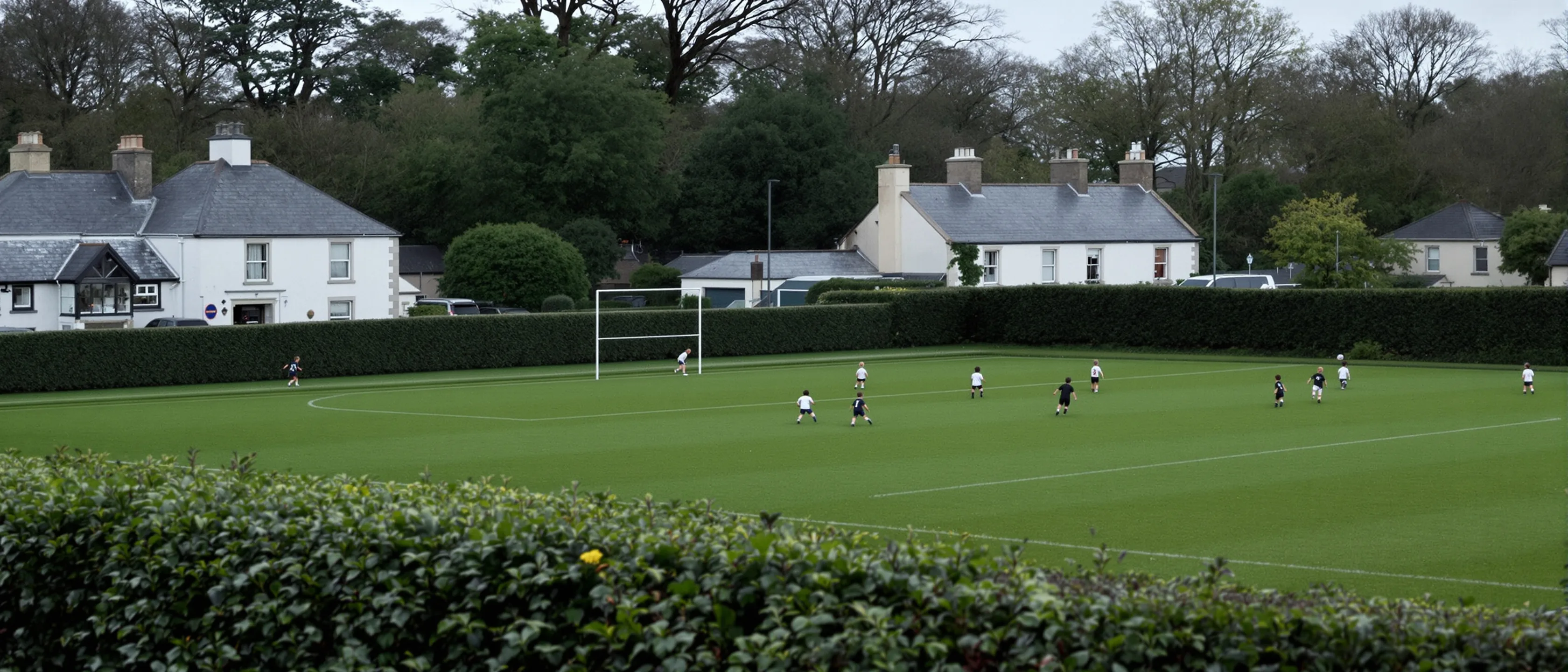
In Sweden, Denmark, Norway or the Netherlands, children learn English as a subject, and many of them learn it well, helped by films and games in the original. The result is good school English: strong enough for the test, often still too thin for a job interview in London or a degree in Dublin.
In Ireland the relationship turns around. English is no longer the subject but the medium: the maths lesson runs in English, so do the row in the playground, the hurling training and the neighbour’s child’s birthday party. A child who spends a few years in an Irish school does not learn English like a foreign language, but like a second mother tongue, with everything a lesson cannot deliver: speed, humour, the shades in between.
And unlike almost any other destination, the language your child gains is no local currency. Spanish from Paraguay, Portuguese from Portugal: valuable, but limited. English is the language the world works in. It is the one thing from this move that finds its place in any life your child might go on to lead, whether it later ends up in Dublin, Stockholm or Singapore.
The transition period, honestly described
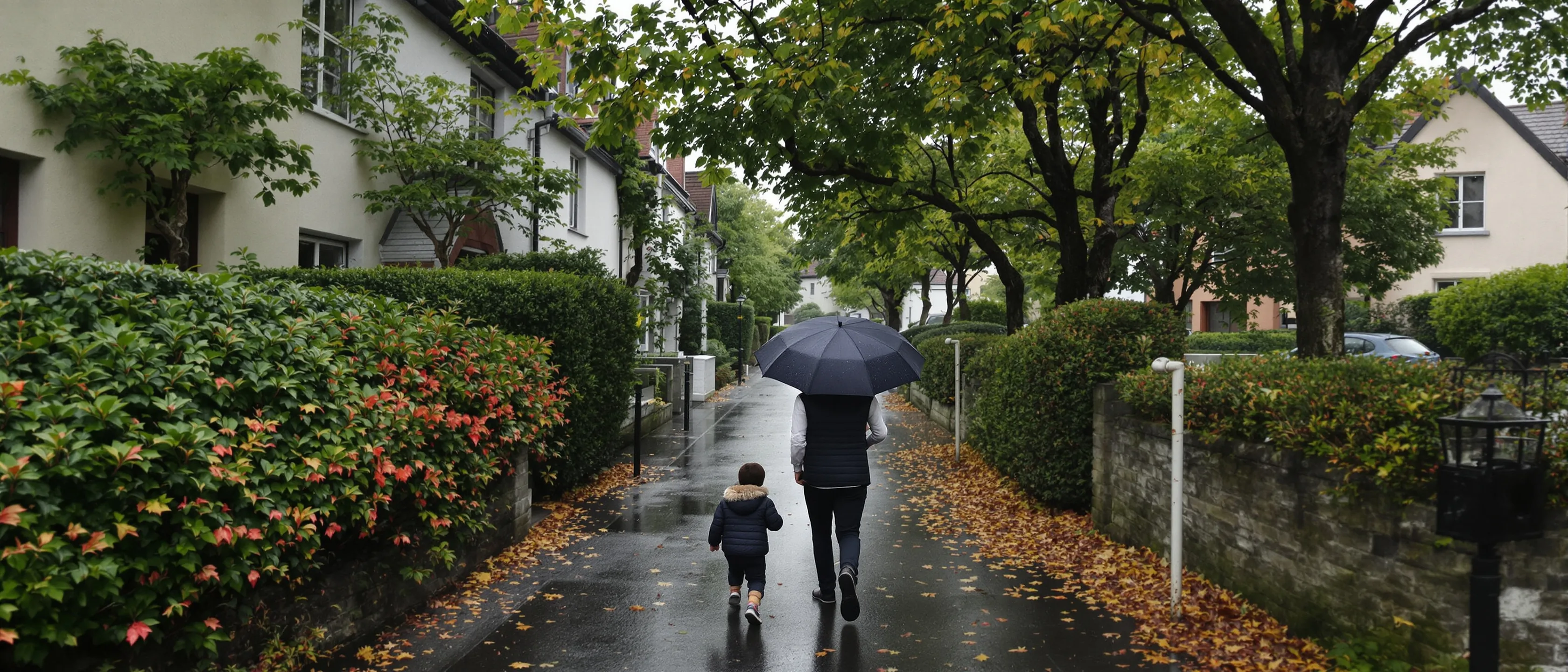
Now the part that relocation marketing likes to leave out: the beginning is tiring. A child who joins an Irish class in September does not understand everything in the first weeks. It comes home exhausted, because a school day in a language that is not yet its own takes twice the concentration. There will be days when it does not want to go to school, and evenings when you wonder whether the decision was right.
This phase is normal, and it passes. The younger the child, the faster: a child in the infant classes grows into the language within months, a teenager needs longer and deserves all the more credit for it. Schools know the situation; children with English as an additional language are a familiar case in the Irish system, and the Department of Education gives schools extra resources for them. How much support a particular school can provide differs from place to place, and that is exactly what you should ask about on your school visit.
What you can contribute as a family is unspectacular and it works: arrive early rather than in the middle of the school year, join the sports club from the first month, and have patience with a child who is achieving something extraordinary. More on this in the timetable under Moving with children.
The subject Irish and the exemption
At some point in their research every family stumbles on the same discovery, British families included: Irish children also learn Irish at school, as a compulsory subject from the first class. And for a moment the question hangs in the air whether your own child now has to learn a new language on top of everything else.
For children who move here, the answer is usually no. There is a set exemption from the subject Irish, and the most important case is exactly yours.
| Rule | What it says |
|---|---|
| Who gets it | children who went to school outside Ireland for at least 3 years in a row without the chance to learn Irish, and who are 12 or older when they enrol or have finished primary school abroad |
| Where you apply | to the principal, with proof of age and previous schooling |
| Where it does not apply | at a Gaelscoil, a school that teaches through Irish |
| If it is refused | appeal within 30 days to the Irish Exemptions Appeal Committee (IEAC) |
Source: Citizens Information, “Exemption from studying Irish” (updated 29 April 2026). As of: retrieved 23 August 2026.
Younger children who join in the early classes simply learn Irish along with everyone else, and in practice that is no drama but part of arriving: a few words of Irish belong to the Irish school day like the uniform. The subject only really matters for exams in the higher years, and there the exemption applies to children who have moved here.
What happens to your home language
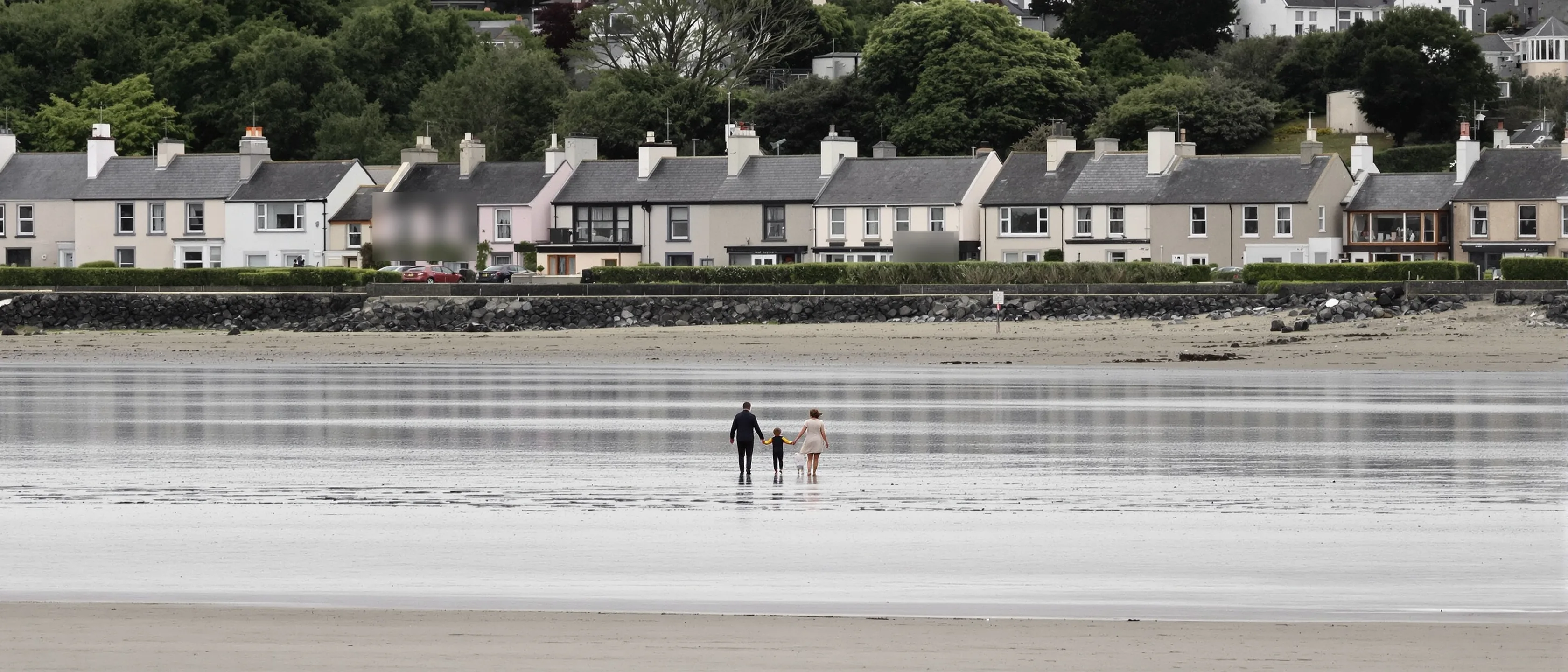
The second language question arrives more quietly, a year or two later: your child’s English is now better than yours, and suddenly you notice it building English words into Swedish, Danish or Dutch sentences at dinner. What happens to the first language depends on whether you look after it or let it drift.
The honest message: the home language does not stay at the level of reading and writing by itself. Spoken, it stays, as long as it is spoken at home. Reading and writing need intent: books in your language in the house, video calls with the grandparents, perhaps distance lessons in the language as a subject. That is parents’ work, and nobody will take it off your hands.
It is also a question worth putting to the school at your first visit: which modern languages it teaches, and whether your child’s home language can count anywhere in its exams. The answer differs from school to school, and it is better to know it before you choose the town. How the Senior Cycle and the Leaving Certificate fit into the structure of Irish school is shown on the page about the school system.
More in Family
Ask someone who lives there
Marc tells you what a price really means in your area, which school suits your family and in which order to tackle things. You take the steps yourself.