What childcare in Ireland really costs
Creche, Montessori and two state-funded preschool years: we show you the options and the costs in the region, so that childcare does not become a surprise after the move.
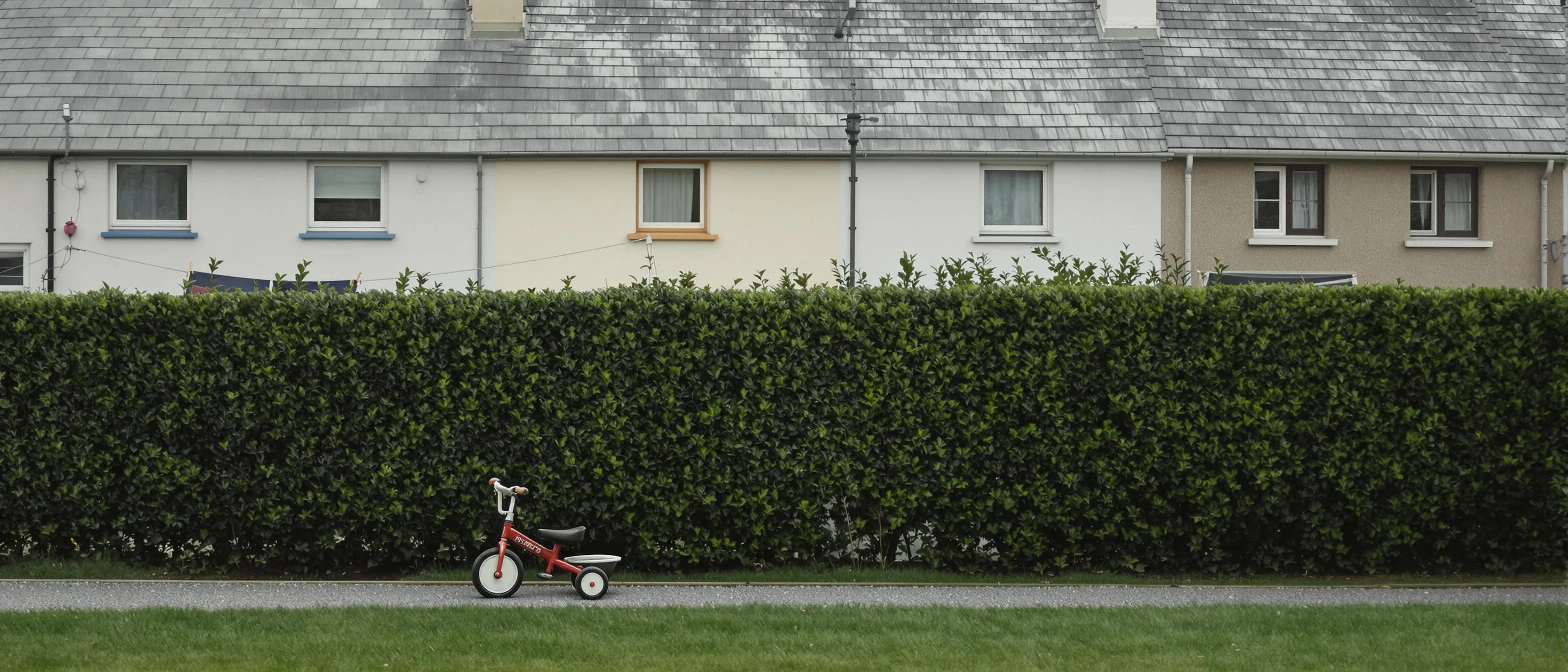
When your children are still small, the childcare question decides the daily life of the whole family: who works when, who drives where, and what is left at the end of the month. Ireland has a reputation as an expensive country here, and it is not undeserved. That makes the two things this page shows all the more important: the state now carries a considerable part of the cost, and the region this site is about sits at the lower end of the country’s fees.
The two free preschool years
The foundation of the Irish preschool years is called ECCE, Early Childhood Care and Education. It is a state-funded preschool programme that every child can use before starting school, whatever the parents earn.
| Rule | Value |
|---|---|
| Scope | 3 hours a day, 5 days a week, 38 weeks a year |
| Free of charge | 15 hours a week |
| From | 2 years and 8 months (cut-off date 31 August) |
| Until | 5 years and 6 months (cut-off date 30 June) |
ECCE is offered by ordinary childcare settings: creches, playschools, Montessori groups and naíonraí. Time beyond the three hours you pay for yourself.
Source: Citizens Information, “Early Childhood Care and Education programme (ECCE)” (updated 14 January 2026); funded by the Department of Children, Disability and Equality. As of: retrieved 23 August 2026.
In practice this means: the classic two years before school are free in the mornings, in the same setting where your child can also spend the afternoon. Families from England know the principle from the funded hours there, 570 free hours a year for every three and four year old. ECCE works the same way in that it asks neither about work nor about income: it simply covers the mornings of the two years before school.
What full-time childcare costs
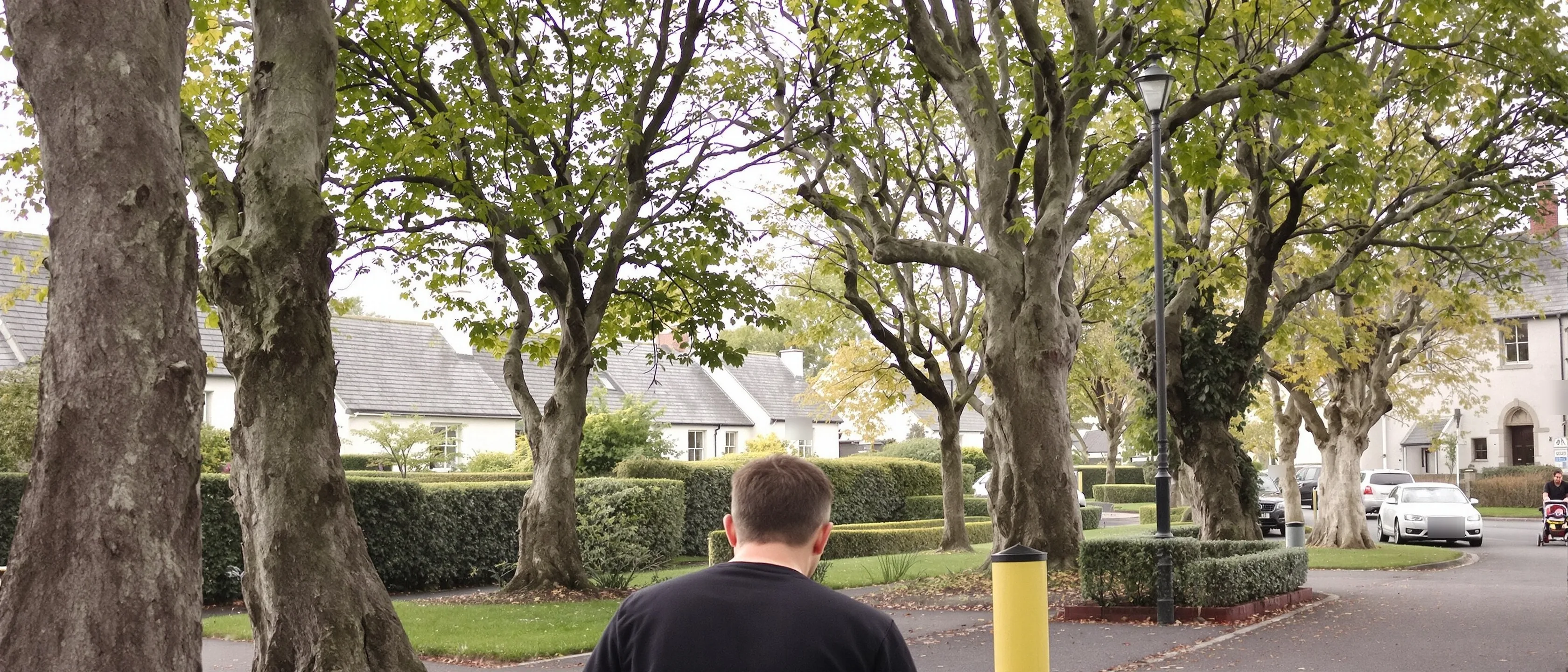
Now the whole bill, because ECCE only covers a morning. If you need full-time care, you pay weekly fees, and they differ markedly from place to place. The official survey by Pobal shows them by county:
| Area | Weekly fee |
|---|---|
| Wexford | €185.00 |
| Waterford | €180.00 |
| Ireland overall | €200.00 |
| County Cork | €211.20 |
| Cork city | €228.21 |
Latest published state of the Pobal survey; the fees of individual settings differ from it.
Source: Pobal Annual Early Years Sector Profile 2024/25 (median full-time weekly fees before subsidies by county, reply of the Minister for Children to parliamentary question no. 2891 of 28 July 2026); subsidies: Citizens Information, National Childcare Scheme (updated 20 October 2026); fee cap and Budget 2027: replies of the Minister for Children to parliamentary questions nos. 156/157 and 168 of 21 October 2026. As of: checked again 2 November 2026.
The table tells a story along the way that fits the whole site: Wexford and Waterford are below the national average, Cork city clearly above it. The same week of childcare costs €185.00 in Wexford and €228.21 in Cork city. It is the same pattern as with house prices: the closer to a big city, the dearer family life gets, and the coastal arc between Wexford and Waterford is the cheap side of the sum.
The state subsidy

On top of the weekly fees comes a second state building block: the National Childcare Scheme, NCS for short. It pays a subsidy per hour of care straight to the provider, and the basic subsidy does not depend on income.
| Rule | Value |
|---|---|
| Subsidy per hour of care | €2.14 |
| Maximum per week | €96.30 |
| Higher income-assessed subsidies up to | €68,000 family income (since September 2026, previously €60,000) |
| Universal subsidy from September 2027 (up to and including Senior Infants) | €2.50 per hour |
The subsidy goes to the provider and reduces your bill; NCS and ECCE can be combined for the hours outside ECCE.
Source: Pobal Annual Early Years Sector Profile 2024/25 (median full-time weekly fees before subsidies by county, reply of the Minister for Children to parliamentary question no. 2891 of 28 July 2026); subsidies: Citizens Information, National Childcare Scheme (updated 20 October 2026); fee cap and Budget 2027: replies of the Minister for Children to parliamentary questions nos. 156/157 and 168 of 21 October 2026. As of: checked again 2 November 2026.
Important for your planning: with the profile this site is written for, you will usually not see the higher, income-assessed NCS rates. The universal hourly subsidy and ECCE, on the other hand, apply whatever your wealth, and together they change the sum noticeably. Since September 2026 there has also been a weekly fee cap for the funded providers: a full-time place of 45 hours a week costs no more than €280.00 there, so after the universal subsidy no more than €183.70 for you.
And the bill gets smaller still. With Budget 2027, from September 2027 the universal subsidy rises to €2.50 an hour for children up to and including Senior Infants, and the cap for 40 to 50 hours a week falls to €250.00. For the same full-time place you then pay at most €137.50 a week, about €550 over four weeks.
Finding a place
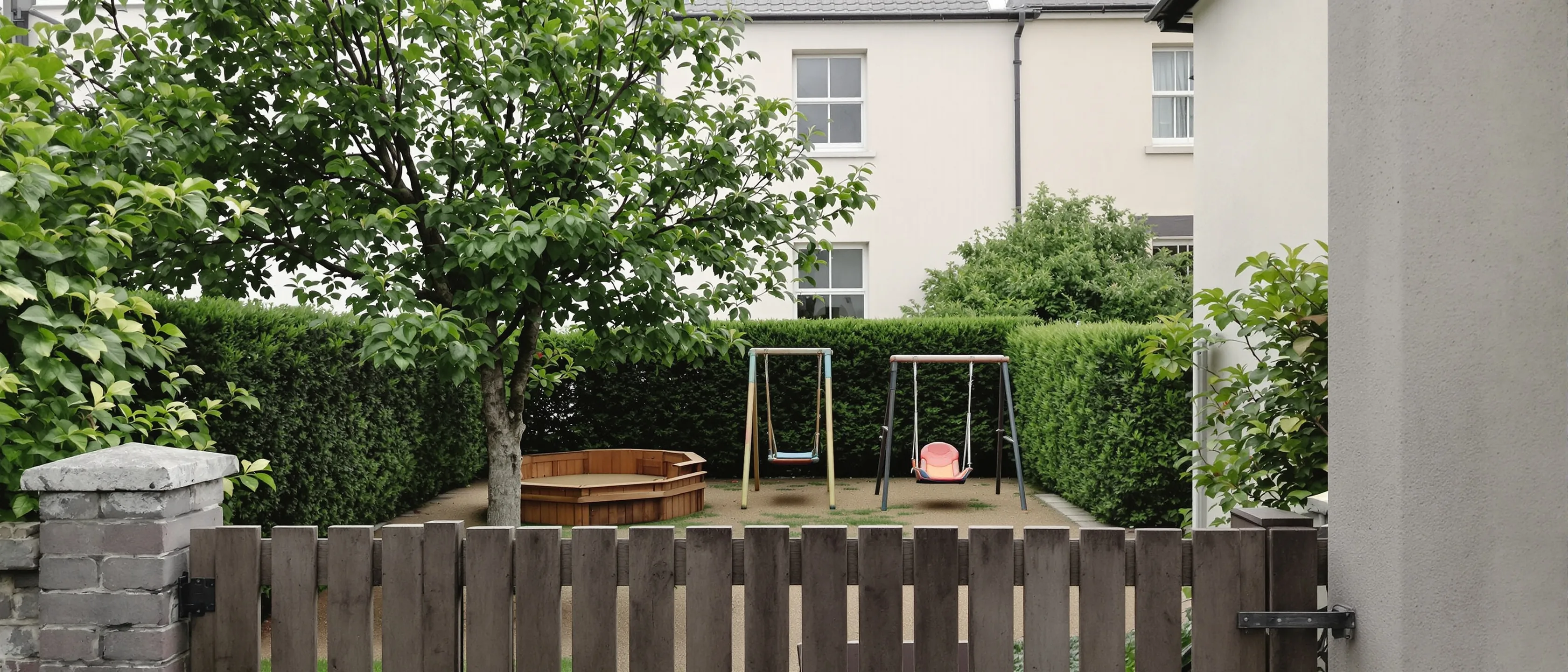
The landscape is made of the same building blocks as at home, sometimes under other names: the creche is what you may know as a nursery or day care centre, the playschool or Montessori group is the half-day preschool, and the childminder is a childminder. Then there are the naíonraí, preschool groups that run in Irish.
Allow time when you look for a place, especially for the youngest children and for full-time places. In small towns the choice is limited: a town like New Ross has a handful of settings, not thirty. The practical route is the same as with schools: as soon as your town is settled, write to the settings directly, ask about waiting times and register your child early, even if the moving date is not yet final. An early enquiry costs little; a missing place costs months.
And if your child is about to start school, read next how school is built and when the move fits best.
More in Family
Ask someone who lives there
Marc tells you what a price really means in your area, which school suits your family and in which order to tackle things. You take the steps yourself.