Are all schools in Ireland really Catholic?
No. But religion plays a bigger part in the school system than many families from abroad expect. Here you find out what daily life looks like and which alternatives there are.
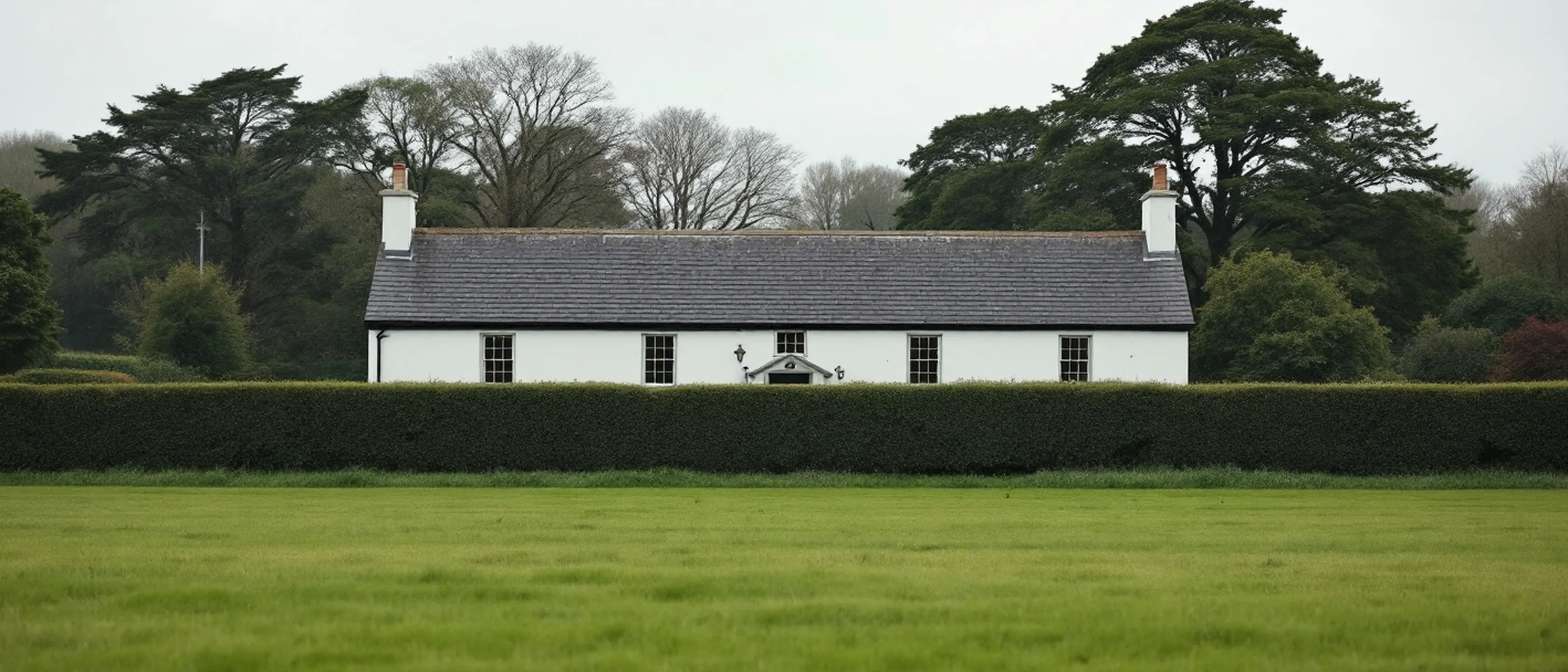
Hardly any question comes up in conversations about Ireland as reliably as this one, and hardly any is watered down as reliably on relocation sites. So here the figure comes first, then daily life, then the alternatives. You should know what you are getting into before you buy a house near a school.
The figure first
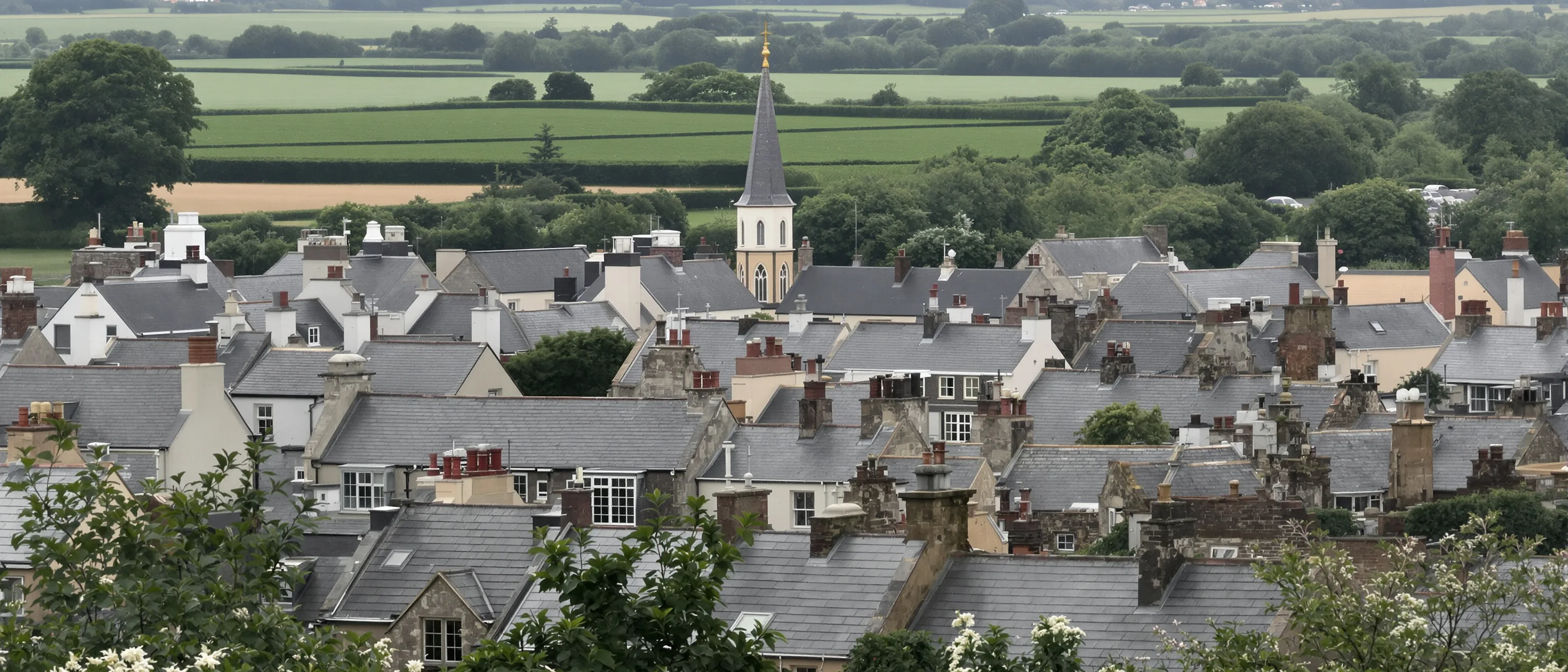
Yes, church patronage in Ireland is the rule, not the exception. Primary schools are funded by the state, but almost all of them have a patron who sets the school’s ethos, and that patron is usually the Catholic diocese.
| Patronage | Share |
|---|---|
| Catholic | more than 88% |
| other religious bodies (for example the Church of Ireland) | 6% |
| multidenominational (no religious patron) | 5.5% |
Source: Citizens Information, “Choosing a primary school” (updated 28 May 2026): “In 2025, more than 88% of primary schools had a Catholic patronage and ethos”. As of: retrieved 23 August 2026.
If you come from Britain, church schools are a familiar sight, but here they are the norm rather than one choice among others. If you come from Scandinavia or another country where state school has no church behind it, it feels strange at first. The figure is real, and this page will not play it down. What puts it in context are two things: what patronage actually means day to day, and what stands beside it in this particular region.
What church patronage means day to day
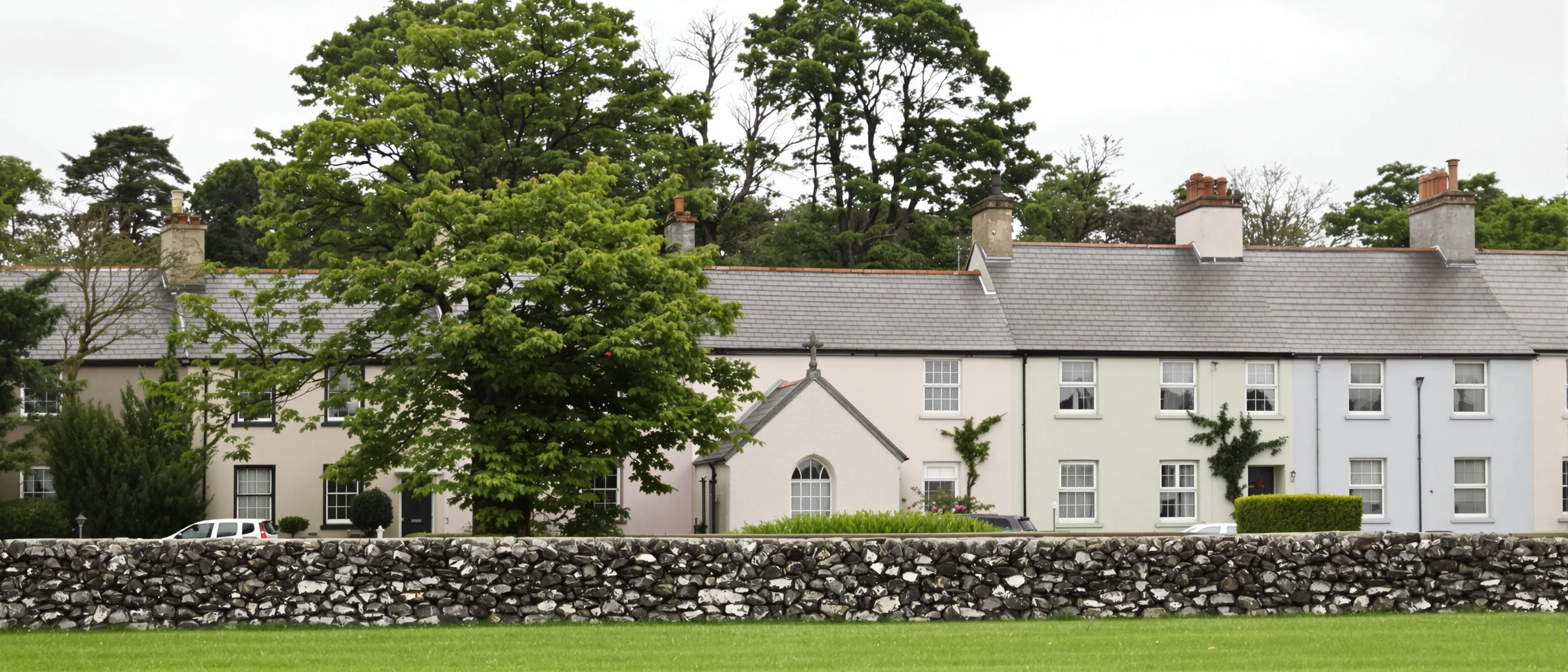
A Catholic primary school in Ireland is no convent school. It is the ordinary village school that all the children of the town attend, with the state curriculum, teachers paid by the state and a school day that nine tenths of the time looks like anywhere else: reading, sums, playground, sport.
The remaining tenth is real: prayers are part of the school day, and classes are prepared for the sacraments in lessons, above all First Communion. If you do not want your child to take part, you have the right to opt it out; the school must then make other arrangements. And this is where the honest qualification belongs: what those arrangements look like is up to the individual school. Often the child sits in the same room with a task of its own. A well-designed alternative programme, of the kind you may know from home, is not guaranteed.
Our advice is therefore unspectacular: on your school visit, ask specifically how the school handles children who do not take part in religious instruction, and how many such children it has. The answers differ more between two schools with the same patron than between the patrons themselves.
Admission without a baptismal certificate
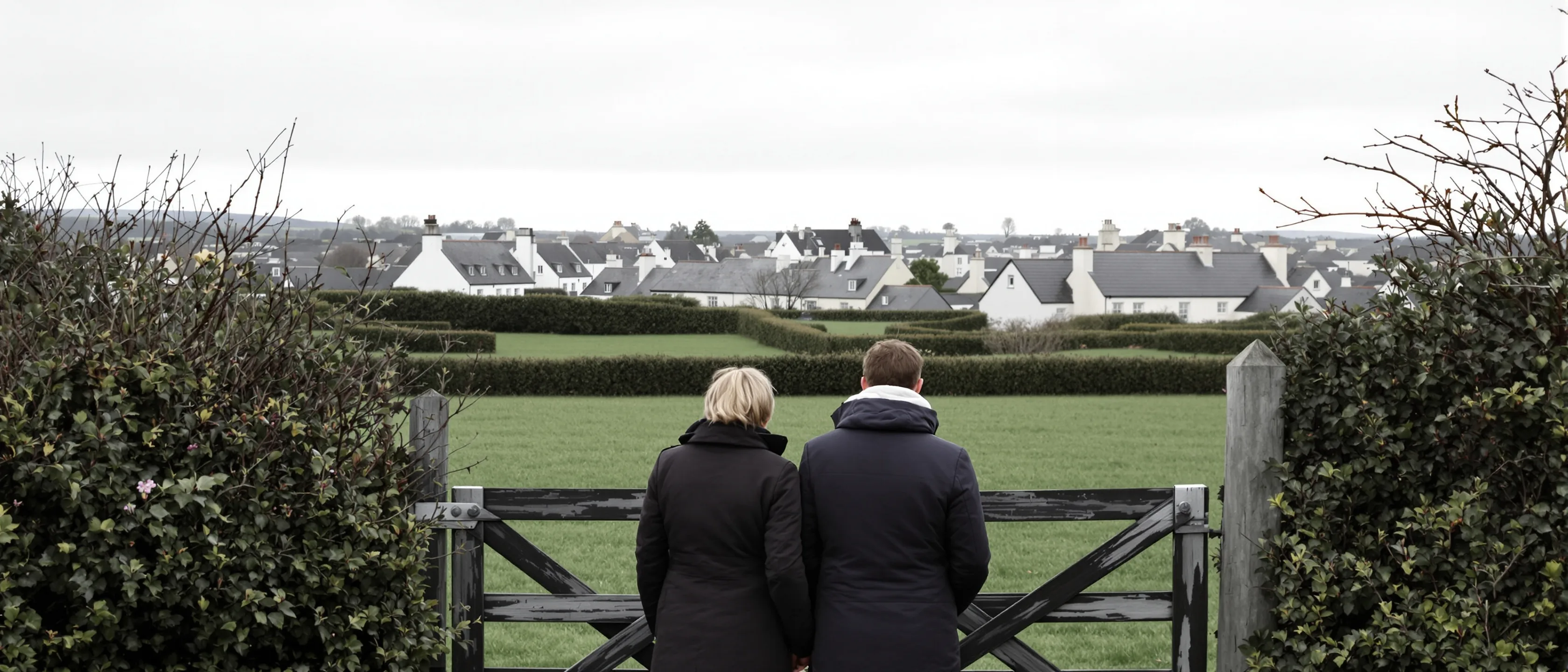
The second worry behind the church school question is a practical one: will a Catholic school even take my unbaptised child? Here the law has changed, and in your favour.
Since the Education (Admission to Schools) Act 2018, a Catholic primary school may no longer use religion as an admission criterion and may not ask for a baptismal certificate with the application. The so-called baptism barrier, a real issue in Irish school politics for decades, has been abolished for Catholic primary schools; a narrow exception applies only to schools of minority religions, which may give priority to children of their own faith. The school must reply to you in writing within 21 days, and its admission policy must be published.
Source: Citizens Information, “Choosing a primary school” (updated 28 May 2026) and “Enrol your child in primary school when you return to Ireland” (updated 22 August 2025). As of: retrieved 23 August 2026.
How the application works in practice, with deadlines and documents, is on the page about the school system.
The alternatives in the region
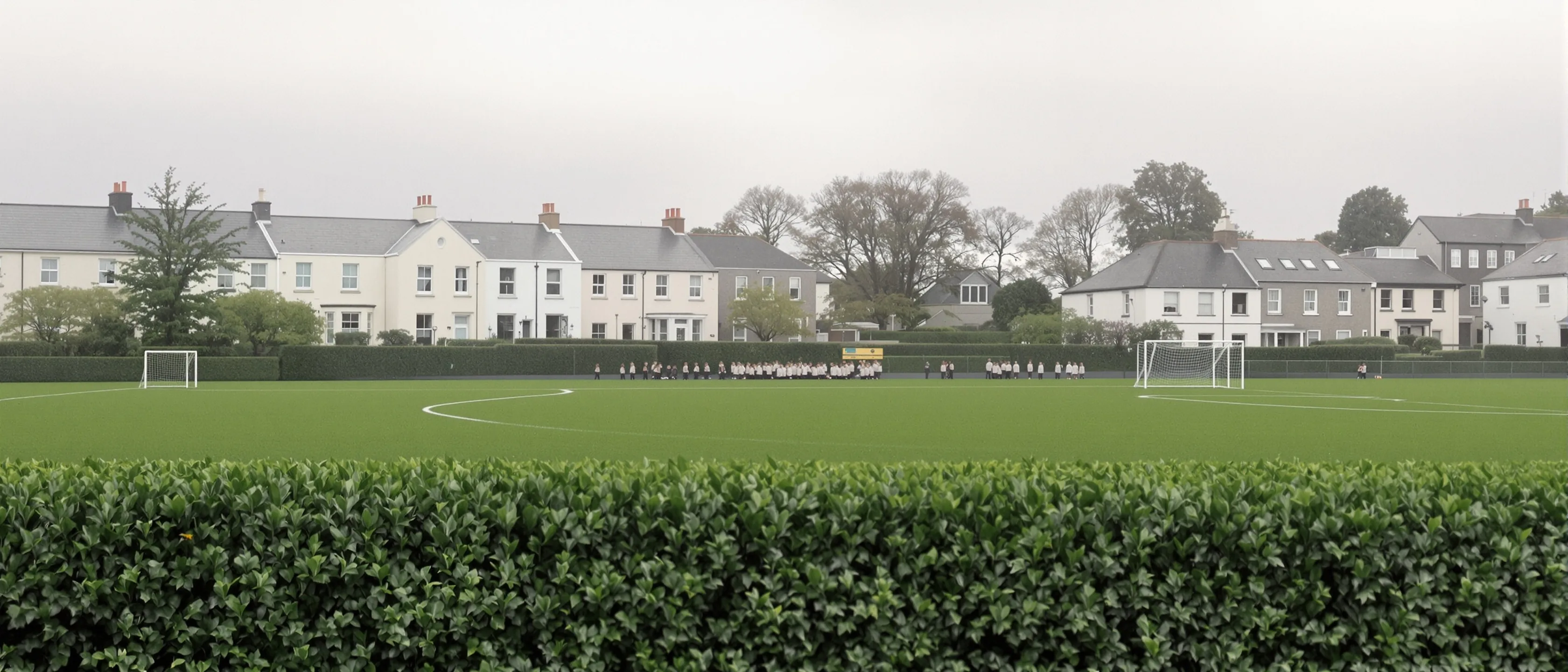
And now the finding that makes this page specific to the region rather than generally Irish. At secondary level, Counties Waterford and Wexford have a patron that answers all three worries at once:
| Feature | Means |
|---|---|
| state | run by the state, not by a diocese |
| co-educational | boys and girls together |
| multidenominational | children learn about all faiths, not within one |
Alongside it, multidenominational primary schools of Educate Together in Wexford town and Waterford city.
Source: WWETB, Educate Together. As of: retrieved 22 August 2026.
The Waterford and Wexford Education and Training Board covers exactly Counties Waterford and Wexford, the eastern part of the region. Its schools are state, co-educational and multidenominational. Important for your choice of town: this patron stops at the county boundary. The Cork part of the region falls under a separate Education and Training Board, whose schools we have not yet surveyed in the same depth; until then this page deliberately says nothing about it.
At primary level the multidenominational options are thinner, and that is part of the truth of this page: Educate Together is present in Wexford town and Waterford city, not in every coastal town. A family for whom a primary school without a church patron is a condition should therefore choose its town along this question before it chooses a house. Exactly these kinds of dependencies are what we sort out in the consultation.
More in Family
Ask someone who lives there
Marc tells you what a price really means in your area, which school suits your family and in which order to tackle things. You take the steps yourself.