Homeschooling in Ireland is no loophole. It is a right.
Where Sweden allows it only in exceptional cases and England is building a register, the Irish Constitution protects it in so many words. Here you find out how registration and oversight work and how free families really are.
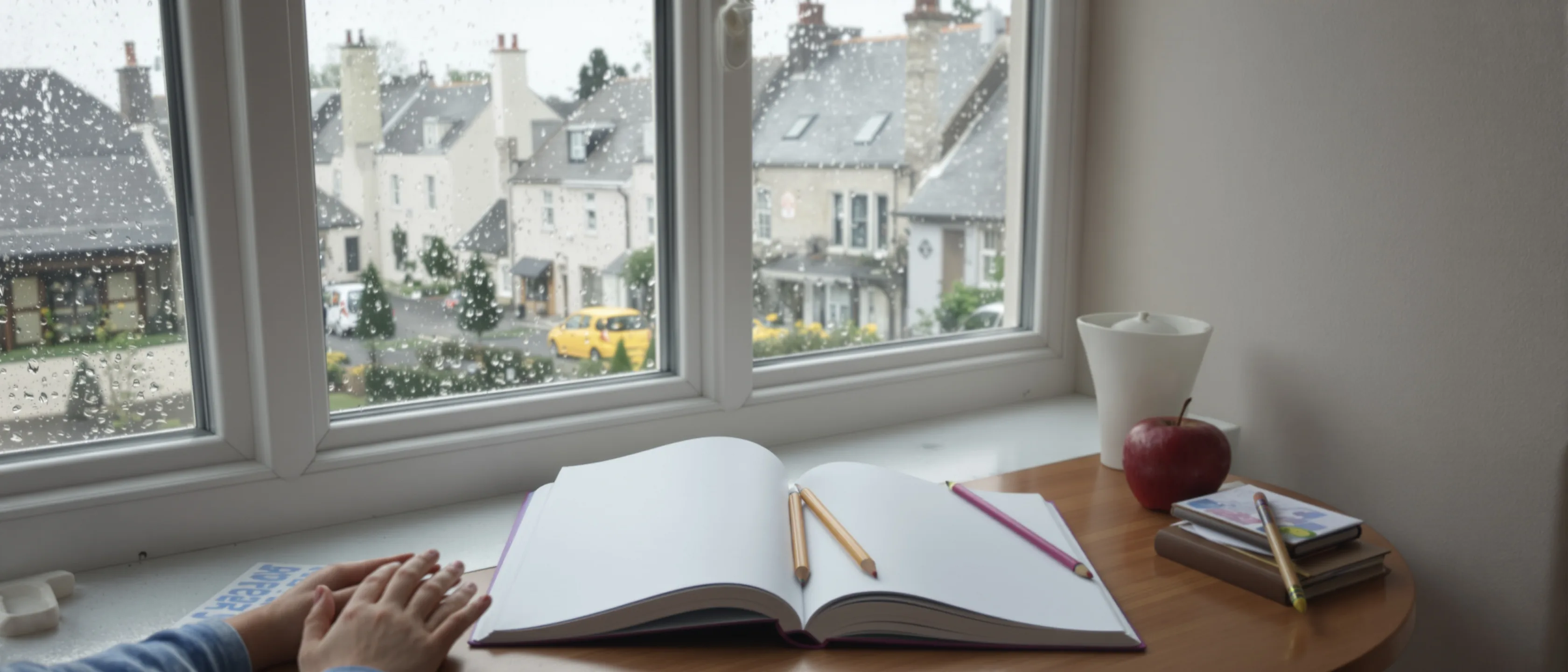
For most families who read this site, homeschooling is one of six reasons, a welcome bonus in the overall picture. For some it is the only reason that counts. If your child is unhappy at school, if you know the arguments with a local authority or have been refused permission to teach at home, then you read this page differently, and it is written for you.
One thing first, so that no false impression arises: my own children went to the local schools in Lismore in the ordinary way. I did not home-educate, and this site does not sell homeschooling as the better path. It describes what the law in Ireland says and what the procedure looks like, so that you can decide for yourself. That freedom of choice is exactly the point.
A right, not a loophole
In Ireland, under Artikel 42 of the Constitution, the family is the primary and natural educator of the child, and the Constitution expressly recognises that parents may teach their children at home. The state requires education, not school attendance: from 6 until 16, or until 3 years of secondary education are completed, whichever is later, but never beyond 18. That is no tolerance and no grey area, but constitutional rank, put into practice in the Education (Welfare) Act 2000, section 14.
How different that is shows when you look back home. In England and Wales, home education is lawful by statute: section 7 of the Education Act 1996 obliges parents to see that their child receives a suitable full-time education “either by regular attendance at school or otherwise”. But in England the ground is shifting. The Children’s Wellbeing and Schools Act 2026, which received Royal Assent on 29 April 2026, requires every local authority to keep a register of children not in school, with a duty on parents to supply and update the information. A child at a special school placed there by the local authority, or a child about whom child protection enquiries have been made, may only be taken out of school for home education with the local authority’s consent. The register comes into force on a day the government sets by regulations.
In Sweden the door is almost shut: the Education Act allows teaching at home in place of school only with permission, only for exceptional reasons, and for no more than a year at a time. And in the Netherlands, the exemption that home-educating families rely on applies only when the parents have weighty objections to the religious or philosophical direction of every school within reasonable distance of their home.
Source: Education Act 1996, s. 7 (legislation.gov.uk, revised text); Children’s Wellbeing and Schools Act 2026, c. 21, ss. 37, 38 and 78 (legislation.gov.uk, as enacted); Skollag (2010:800), ch. 24 ss. 23 and 24 (riksdagen.se); Leerplichtwet 1969, art. 5 (wetten.overheid.nl). As of: retrieved 6 November 2026.
Ireland requires neither an annual exam of the child, nor a curriculum, nor a teaching qualification from the parents. What Ireland requires is a register, and that is what we look at now, because this is where the law parts company with romance.
The register and the assessment
If you teach your child at home in Ireland, you must have it entered in a state register. The body responsible is Tusla, the Child and Family Agency, with its Alternative Education Assessment and Registration Service. Registration includes an assessment: a professional talks with the family and checks whether the child is receiving a “certain minimum education”, measured by its development in five areas: intellectual, social, moral, physical, personal.
What the assessment does not require is just as important: no prescribed curriculum, no compulsory exams, no set hours of attendance, no qualification required of the parents. It is not about rebuilding school at home, but about the child visibly learning and developing.
| As of | Children on the register | New applications, January to September |
|---|---|---|
| End of 2024 | 2,325 | 876 |
| End of 2025 | 2,592 | 1,316 |
Official open data of the agency; new applications in the first nine months of 2025 were about half as high again as in the same period a year earlier.
Source: Tusla, home education register and applications, via data.gov.ie. As of: retrieved 22 August 2026.
For a family from Sweden or the Netherlands, this means trading a near ban for a procedure. For a family from England, it means trading a freedom that is only now being put on a register for one that has had a register from the start and stands in the Constitution. The procedure is real, it takes a conversation and preparation, and it comes at the beginning, not as an annual inspection. After that you are a registered homeschooling family in a country where that is an ordinary legal status.
What it looks like in practice
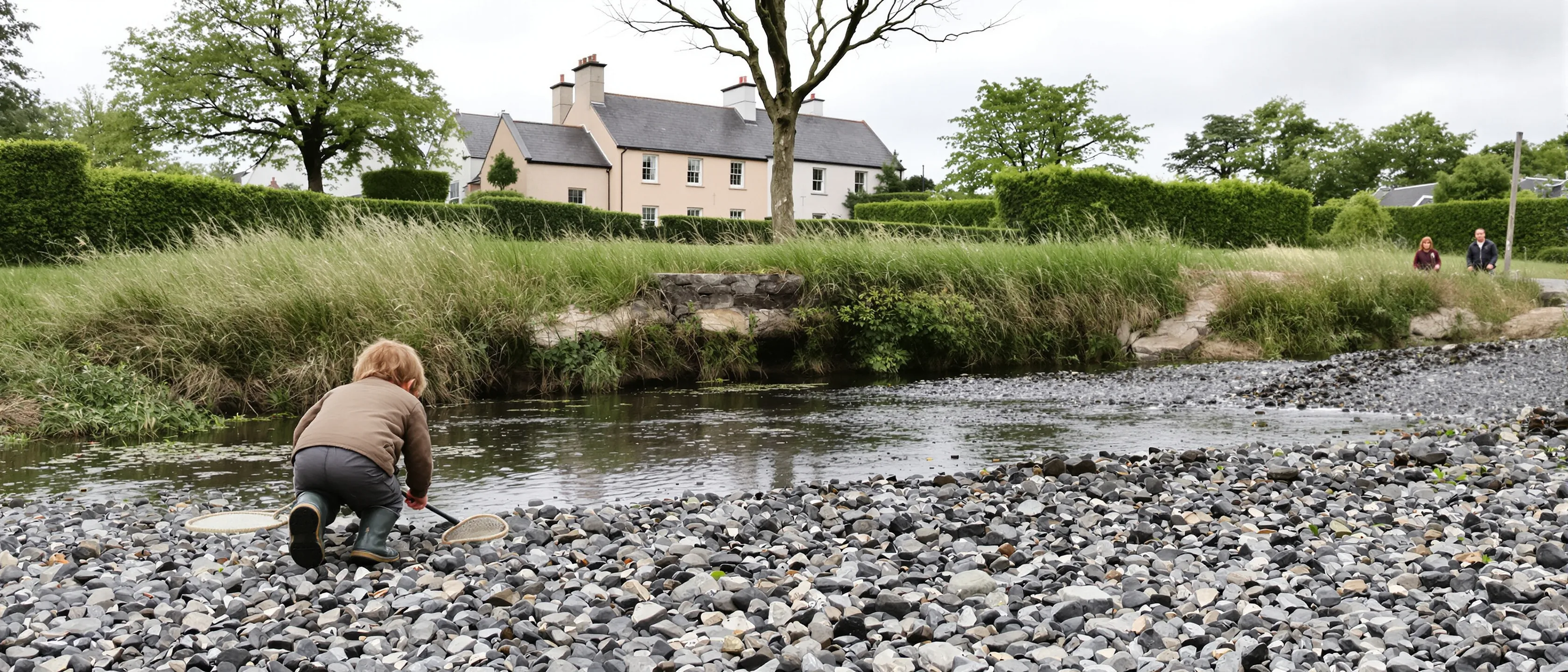
Since Ireland prescribes no curriculum, you decide how your child learns: along the Irish curriculum, along a distance course from home, through projects, or a mix. The assessment asks about the child, not about the method. That is the freedom, and it is also the demand: nobody hands you a ready-made programme, and the responsibility that a school system carries elsewhere is yours.
Two honest limits belong here. First: homeschooling in a small town means your child does not automatically get its social contacts from school. Club, neighbours and homeschooling groups have to do that work, and it takes more initiative from you than from a school family. Second: the question of the school-leaving exam needs early planning, and it deserves the section of its own that follows.
The question of exams, honestly answered
A child educated at home in Ireland can sit both state exams, the Junior Cycle and the Leaving Certificate. It is registered through any school, at the start of January of the exam year. That is how Citizens Information, the state information service, describes it.
The reformed Junior Cycle includes Classroom-Based Assessments, which a teacher carries out and marks in class at the student’s own school. How these parts are handled for a child without a school is not stated in the official information. You settle that before registering, with the school through which your child sits the exams and with the State Examinations Commission.
| Route | Note |
|---|---|
| Junior Cycle through a school | register at any school at the start of January of the exam year; settle the Classroom-Based Assessments with the school beforehand |
| Leaving Certificate through a school | register at any school at the start of January of the exam year |
| IGCSE through an exam centre | the route that has become established in practice among home-educating families in Ireland |
The normal way into an Irish university runs through the Leaving Certificate; the Junior Cycle is the intermediate step before it.
Source: Citizens Information, Teaching your child at home (State exams and third level education); Oide and the Department of Education on the Assessment Arrangements 2026. As of: retrieved 1 November 2026.
In practice this means: homeschooling families in Ireland sit the state exams through a school, and many also use IGCSE exams through an exam centre. Each of these routes needs a head start on registration and deadlines. How the Irish exam system is built as a whole is on the page about the school system.
Community: you are not the only ones
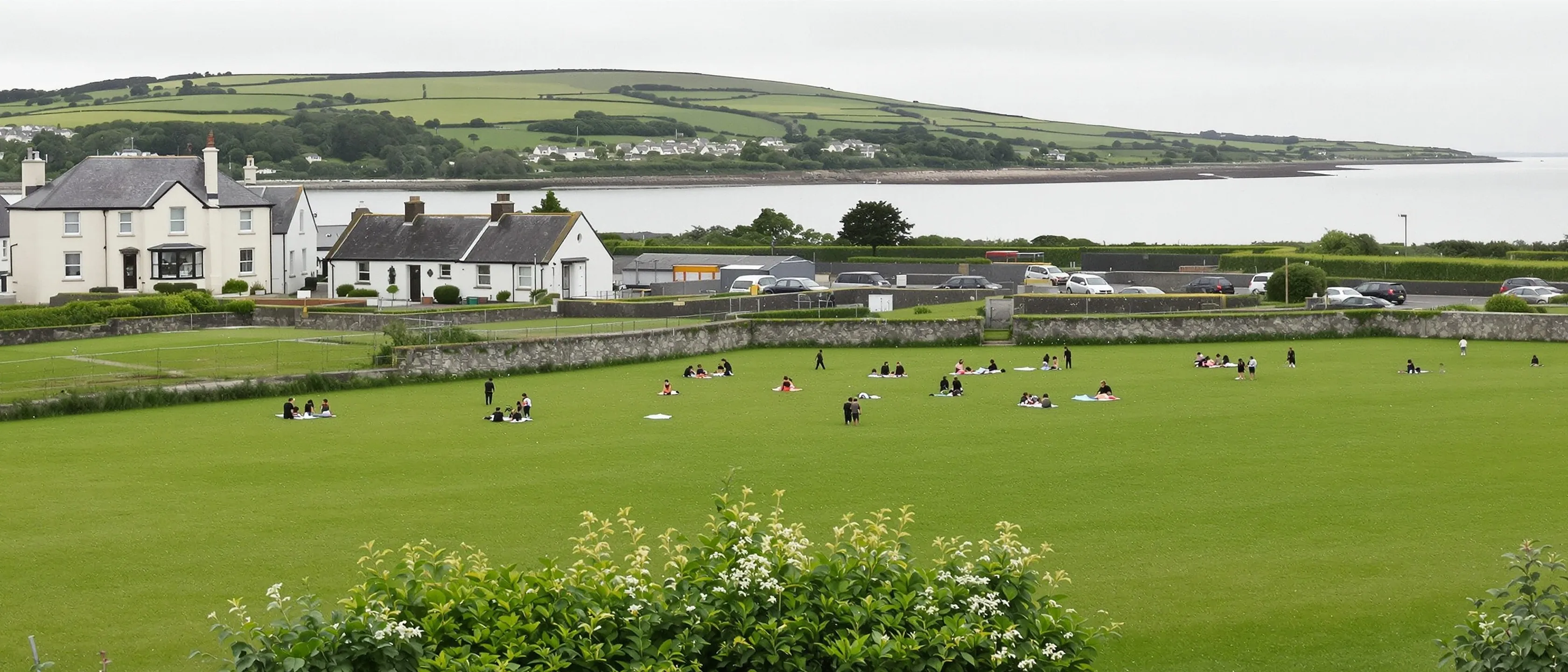
The register figures above already show it: homeschooling in Ireland is no fringe phenomenon of a few dozen families, but a growing, organised movement. Its hub is Home Education Network Ireland, the nationwide network of homeschooling families.
| What it offers |
|---|
| Local contact families, listed by province (the region lies in Leinster and Munster) |
| Local home-ed groups |
| An annual HEN Gathering |
| Material on the register, the assessment and preparing for the Tusla assessment |
Source: henireland.org, the network’s own description. As of: retrieved 23 August 2026.
How dense the groups are in Wexford, Waterford and East Cork we have not yet surveyed systematically; that is the one part of this page that stays marked as unverified until we have spoken to families on the ground. What can be said: the network lists its contact families by province, and the region lies in two of them, Leinster and Munster. If you are seriously planning the step, the consultation gives you an honest view of what the move solves for your own homeschooling situation and what it does not.
More in Family
Ask someone who lives there
Marc tells you what a price really means in your area, which school suits your family and in which order to tackle things. You take the steps yourself.