Family benefits in Ireland: what you are entitled to, and from when
Ireland pays Child Benefit without a means test, makes the GP free for young children and subsidises childcare. Parental pay comes with one condition that families who move here regularly trip over: without an Irish contribution, your record from home does not count.
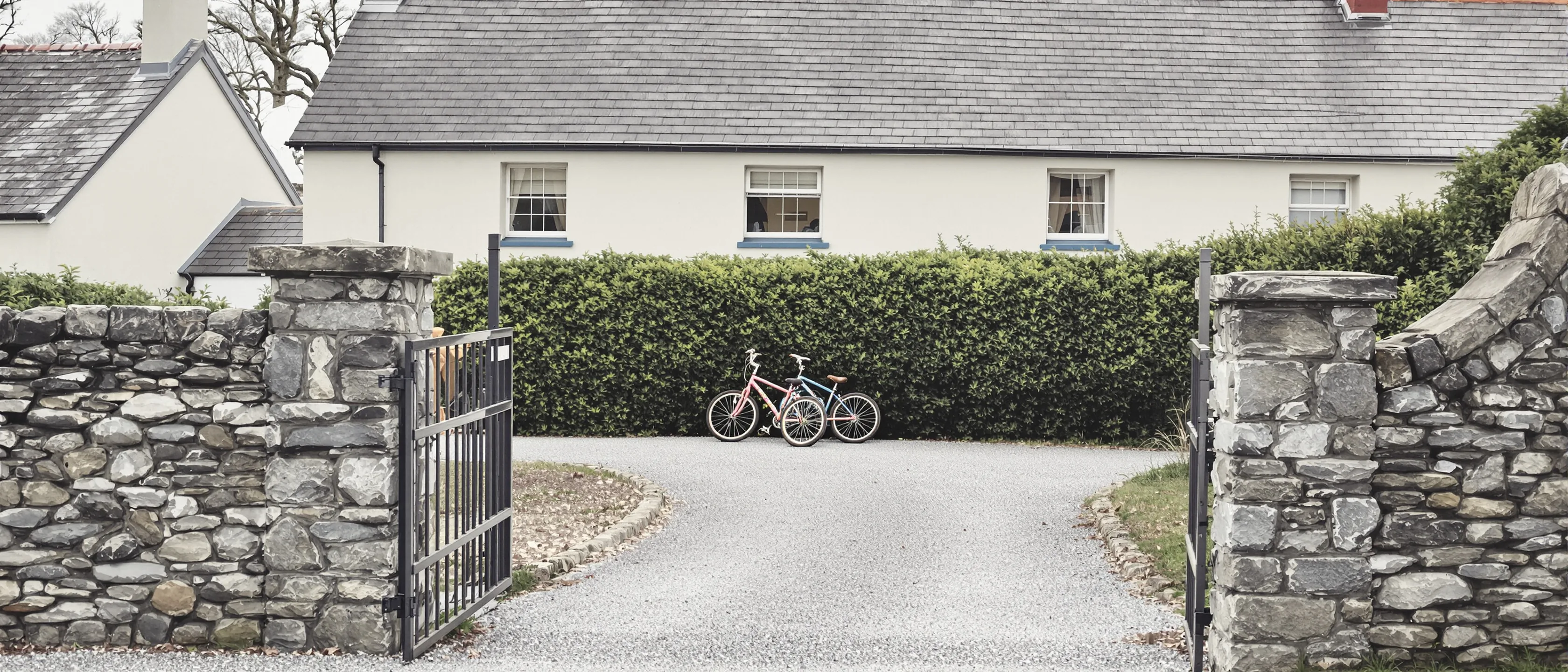
If you move to Ireland with children, you enter a system that stands on two pillars. One rests on residence: Child Benefit, the GP visit card for young children and the childcare subsidy are for families who live in Ireland, whatever their income and whatever they have paid in. The other rests on contributions: Parent’s Benefit, Maternity Benefit and Paternity Benefit are paid only to people who have paid enough Irish social insurance (PRSI).
This page goes through both in turn. What childcare costs in the region is set out in full under Childcare, and how the health system works as a whole under The health system.
Child Benefit
Irish Child Benefit is €140 a month per child, tax-free and without a means or contribution test. It is paid for children under 16 and up to their 18th birthday while the child is in full-time education or training. Twins get one and a half times the rate per child, triplets and more get double. For births and adoptions since 1 December 2024, a one-off grant of €280 per child comes with the first payment. Budget 2027 leaves the amount unchanged.
The condition is that you live in Ireland and meet the Habitual Residence Condition, the test of whether Ireland is where you normally live. For citizens of the EU and the EEA who work in Ireland, employed or self-employed, it is treated as met. If you live in Ireland without working, on capital or a pension for example, you have to show it in your own case: with your home, how long you have been here, your family and your plans. If you are British, ask the Department of Social Protection how the condition is applied to you before you count on the payment.
For children born abroad, the normal case for a family moving here, you apply on form CB1 and post it to the Child Benefit Section. Online only works if the Department invites you to apply that way. The deadline matters: the claim should be made within 12 months of the family coming to live in Ireland or of a parent starting work here. Each child needs its own PPS number for it, the Irish personal public service number.
| Payment | Amount 2026 | Depends on |
|---|---|---|
| Child Benefit | €140 a month per child | residence |
| Birth grant | one-off €280 per child | residence |
| Parent’s Benefit | €299 a week, 9 weeks per parent | Irish contributions |
| Maternity Benefit | €299 a week, 26 weeks | Irish contributions |
| Paternity Benefit | €299 a week, 2 weeks | Irish contributions |
| GP visit card under 8 | GP free of charge | residence |
| Childcare subsidy (NCS), universal | €2.14 an hour | residence |
Budget 2027 raises the weekly rates of Parent’s, Maternity and Paternity Benefit to €309 from January 2027; Child Benefit stays the same.
Source: Citizens Information, Child Benefit (page edited 5 November 2026), Parent’s Benefit, Maternity Benefit and Paternity Benefit (each 7 October 2026), Class S PRSI (1 October 2026); Department of Social Protection, PRSI and Family Employment (15 April 2025); Budget 2027. As of: retrieved 6 November 2026.
Parent’s Benefit
Ireland’s parental pay is modest next to Sweden’s 480 days of parental benefit per child, but both parents get it. Parent’s Benefit pays €299 a week, €309 from January 2027, for 9 weeks per parent. It applies to children born or adopted since 1 August 2024, and the weeks must be taken within the child’s first 2 years, in one block or separately. Each parent has an entitlement of their own, and it cannot be transferred.
For employees the law requires a minimum number of contribution weeks, for example 39 paid weeks in the twelve months before the leave. You tell your employer at least six weeks in advance and apply for the payment at least four weeks in advance.
The Irish contribution condition
This is the point where families who move here fail most often. European coordination allows insurance periods from the Netherlands, Sweden or any other EU country to be added to the Irish ones. But Ireland only counts them once you have paid at least one full Irish PRSI contribution. Someone who arrives with twenty years of contributions at home and has not yet worked a single insured week in Ireland gets no Parent’s Benefit. One insured working week in Ireland opens the door; without it, the door stays shut.
For Maternity and Paternity Benefit the condition is stricter still. If you want your periods from home to count, you must be in insurable employment in Ireland when you claim, and your most recent contribution must have been paid in Ireland. A mother who moves from Amsterdam or Stockholm before the birth and is not yet working in Ireland therefore has no Irish entitlement to Maternity Benefit, and what she gets from home then depends on the rules at home.
Between Ireland and the United Kingdom a separate convention on social security applies, in force since 31 December 2020, under which contributions made in either country can count. How it treats a British record for a particular Irish payment is something to settle with the Department of Social Protection before you move, not after the birth.
For your planning this means: if a child is on the way or planned soon, the timing of the move and of the first Irish job belongs in the sum. If you still want to draw parental pay from home, find out beforehand whether the entitlement survives the move.
The self-employed and spouses
Many families who move to Ireland live from self-employed work, often as a sole trader, without a company. For them there is good news: self-employed Class S contributions count for Parent’s, Maternity and Paternity Benefit. The condition is 52 Class S contributions in one of the relevant years, with the tax and contribution for that year paid. In the first year of self-employment this naturally cannot yet be shown.
It gets harder when a spouse works in the business. Irish law distinguishes two cases, and the entitlement hangs on that distinction:
- The partner helps in the business without being employed. Then since 2014 they pay Class S contributions of their own once their share of the income is at least €5,000 a year, and build up entitlements of their own.
- The partner is employed by the other as an employee. Then this counts as employment within the family, which is excluded from social insurance. Nil Class M contributions are recorded, and they give no entitlement to parental pay.
A genuine partnership or a limited company does not count as family employment; the normal rules apply there. If you arrive as a family with a sole trader business and plan a child, settle early how the partner stands in the business, and keep the contributions so that they count. How self-employment works for tax in Ireland is under Self-employed in Ireland.
Maternity and paternity
Maternity Benefit pays €299 a week for 26 weeks. At least two and at most sixteen of them fall before the end of the week the baby is due. After that the mother can take sixteen more weeks of unpaid leave, with credited contributions. Employees apply at least six weeks before the start, the self-employed at least twelve weeks before, with a medical certificate.
Paternity Benefit pays the same weekly rate for 2 consecutive weeks, to be taken within 6 months of the birth or adoption. The same contribution rules as above apply to both, and for both the self-employed Class S counts.
The GP for children
All children under 8 who live in Ireland get the GP visit card, without a means test. With it, the family doctor is free for them. You apply to the HSE with the PPS numbers of child and parent, and the child must live in Ireland and intend to stay for at least a year. From the eighth birthday the card is means-tested; an extension to older children is neither in force nor announced in Budget 2027.
The medical card, which makes practically all public services free, is means-tested for families, and the limits are low. Among others, it comes without a test for a child for whom the family gets Domiciliary Care Allowance, the payment for children with a severe disability. The limits in detail are under The health system.
Childcare and preschool
Ireland has two programmes for small children. The ECCE programme makes preschool free, three hours a day on five days a week, over the school year. The National Childcare Scheme (NCS) subsidises childcare: universally with €2.14 an hour per child, without a means test, and at higher rates if the family income is below the limit. From September 2027 the universal rate rises to €2.50.
You apply for the NCS online with the children’s PPS numbers. Once it is approved you get a CHICK, the Childcare Identifier Code Key, with which the provider registers your child and claims the subsidy directly from the state. What childcare in Wexford, Waterford and Cork costs before and after the subsidy is under Childcare.
The home-country side
Within the EU and the EEA, family benefits are coordinated by Regulation (EC) No 883/2004. The basic rule: the state where the parents work pays first; if they work in two countries, one pays first and the other makes up any difference. Between Ireland and the UK, the convention on social security takes that place. What it means for you depends on who works where after the move.
- United Kingdom. UK Child Benefit is a payment for families living in the UK. If you or your partner intend to move abroad for more than a year, the person who claims it must report the change to HMRC. Do that before you go, not when the first Irish payment arrives.
- The Netherlands. Kinderbijslag can continue while the family lives abroad, for example when a parent keeps working in the Netherlands; whether you stay insured for it is decided by the SVB, which looks at the insurance first and then at the country where the child lives. Report the move to the SVB.
- Sweden. Barnbidrag usually stops when you move abroad. Report the move to Försäkringskassan, which assesses whether you keep the right; a parent who lives in Ireland and works in Sweden can still receive Swedish family benefits under the EU rules.
Parental pay from home and Irish Parent’s Benefit follow rules of their own. If you move shortly before or after a birth, plan both sides together, before you hand in your notice at home.
The order of things
Everything starts with the PPS numbers, one for each member of the family, the baby included. A parent needs their own number first, then applies for the children’s, online in MyWelfare or on paper, and parent and child attend an appointment in person. After that, in this order: form CB1 for Child Benefit, the GP visit card for the children under eight, the NCS application as soon as the childcare provider is settled, and school enrolment, whose deadlines often run a year ahead and are set out under The school system.
When in the school year the move fits best and how the first weeks with children go is under Moving with children.
All of these applications, prepared child by child, come together in the Family package Ireland, €8,550.
Ask a father of five who lives there
Marc moved to Ireland with his wife and five children and lives there. In a consultation he goes through what your family is entitled to and in which order to apply for it.