Bringing your car to Ireland without paying VRT
If you move your home to Ireland, your car can be relieved of Vehicle Registration Tax under certain conditions, and a car from Britain of customs duty and VAT as well. What decides it are proof, deadlines and the right order.
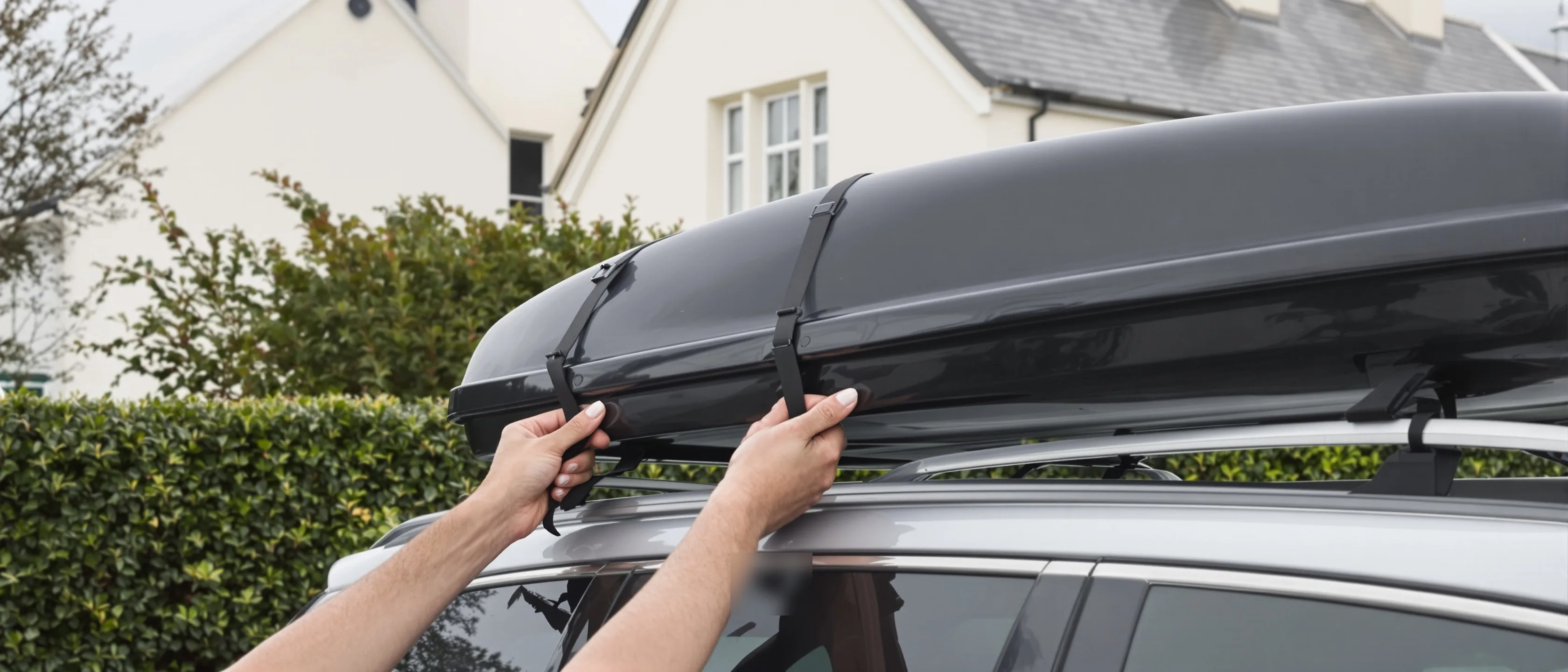
In the south-east a car is part of the basic kit, as our transport page soberly notes, and most families bring theirs: it rolls on to the ferry with you anyway. In Ireland a tax with its own name waits for it, Vehicle Registration Tax, VRT for short, and a piece of news many people have not heard: for people moving house there is a relief.
The relief on moving: the key paragraph
In principle VRT is due when a vehicle brought into the country is registered; VRT is charged on the Open Market Selling Price and, for cars, on CO2 and NOx emissions. Since Brexit a used car from Great Britain also needs a customs declaration and carries customs duty and import VAT. For a family moving its home to Ireland there is a way round all three: transfer of residence relief. It requires that you move permanently, own the car and have owned and used it outside Ireland for at least six months; for VRT you must have lived outside Ireland for at least 185 days a year, for duty and VAT outside the EU for twelve months in a row. From Britain, the form goes to Revenue at least two weeks before the car arrives.
The relief has a price, and it is a fair one: a relieved vehicle may not be sold for 12 months after registration. The rule is aimed at dealers’ tricks, not at families. What matters is the order: the relief is applied for at Revenue and granted, and Revenue’s letter belongs with the registration papers.
Source: Citizens Information, "Importing a vehicle into Ireland" (page dated 23 May 2024) and "Bringing your vehicle to Ireland" (21 May 2024); Revenue, "Registering a vehicle purchased in Great Britain (GB)" (published 24 August 2026). Date: retrieved 6 November 2026.
Registration at the NCTS
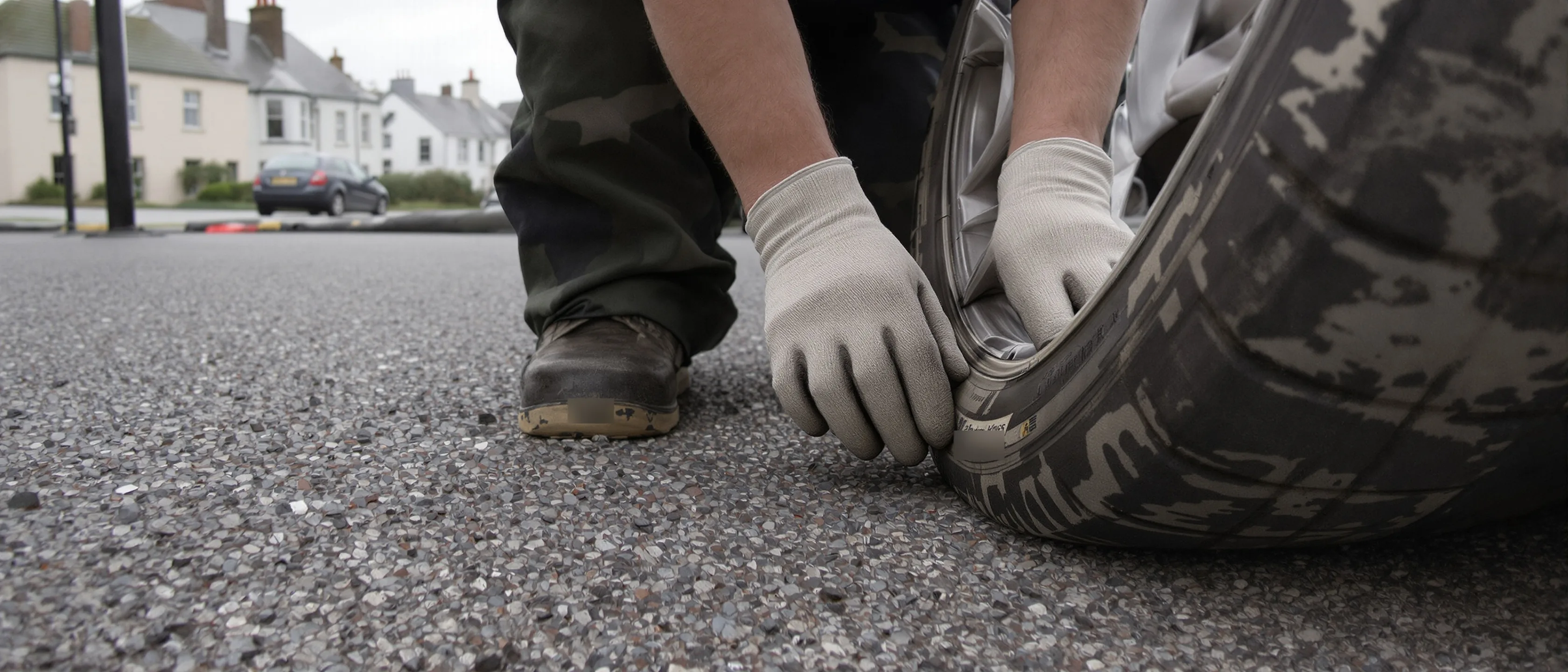
The vehicle is registered not at a licensing office but in person at the testing service: registration at a National Car Testing Service (NCTS) centre, with an appointment booked in advance. The deadline is tight: registration within 30 days of the vehicle arriving in Ireland. For a car from Great Britain the customs declaration comes first; without it Revenue will not register the car. You take the vehicle there with a bundle of papers:
| Document |
|---|
| original foreign registration document (for a car from Britain, the V5C) |
| purchase invoice showing the date |
| proof of identity and address |
| PPS number |
| for a car from Great Britain: the customs declaration with its Master Reference Number (MRN) |
| if you claim relief: the exemption letter from Revenue |
Keep the foreign registration papers until the Irish registration is complete: without them registration is refused.
Source: Citizens Information, "Importing a vehicle into Ireland" (page dated 23 May 2024) and "Bringing your vehicle to Ireland" (21 May 2024); Revenue, "Registering a vehicle purchased in Great Britain (GB)" (published 24 August 2026). As of: retrieved 6 November 2026.
At the end of the appointment you receive the Irish registration number, and from then on the car runs as an Irish vehicle, with motor tax and compulsory insurance. Mind the order with the PPS number: it is one of the papers, so registering the car comes after it. The same goes for the proof of address: it assumes you already live here; what the road to a house of your own looks like is set out under buying a house.
What else counts
Three points round off the picture. First, Northern Ireland: it is still treated as part of the EU for goods, so a car from there needs no customs declaration. Second, the roadworthiness test: the Irish test is called the NCT and falls due once a car is 4 years old; an EU roadworthiness certificate counts until it expires, a British MOT is not named for that, so plan an NCT for an older car from Britain. Third, the driving licence: an EU or EEA licence simply carries on, a UK licence must be exchanged once you live here, and both are set out in detail on the driving licence page.
All in all, the car you bring is one of the more forgiving official steps of the move: a relief, an appointment, a number plate. It only has to be taken in the right order, and putting such orders right is exactly what we do in the consultation.
More in Arriving
Ask someone who lives there
Marc tells you what a price really means in your area, which school suits your family and in what order to tackle things. You take the steps yourself.