In the south-east you will probably need a car.
There are buses and trains, but outside the larger towns they do not replace a vehicle of your own. Here we show plainly what works without a car and what does not.
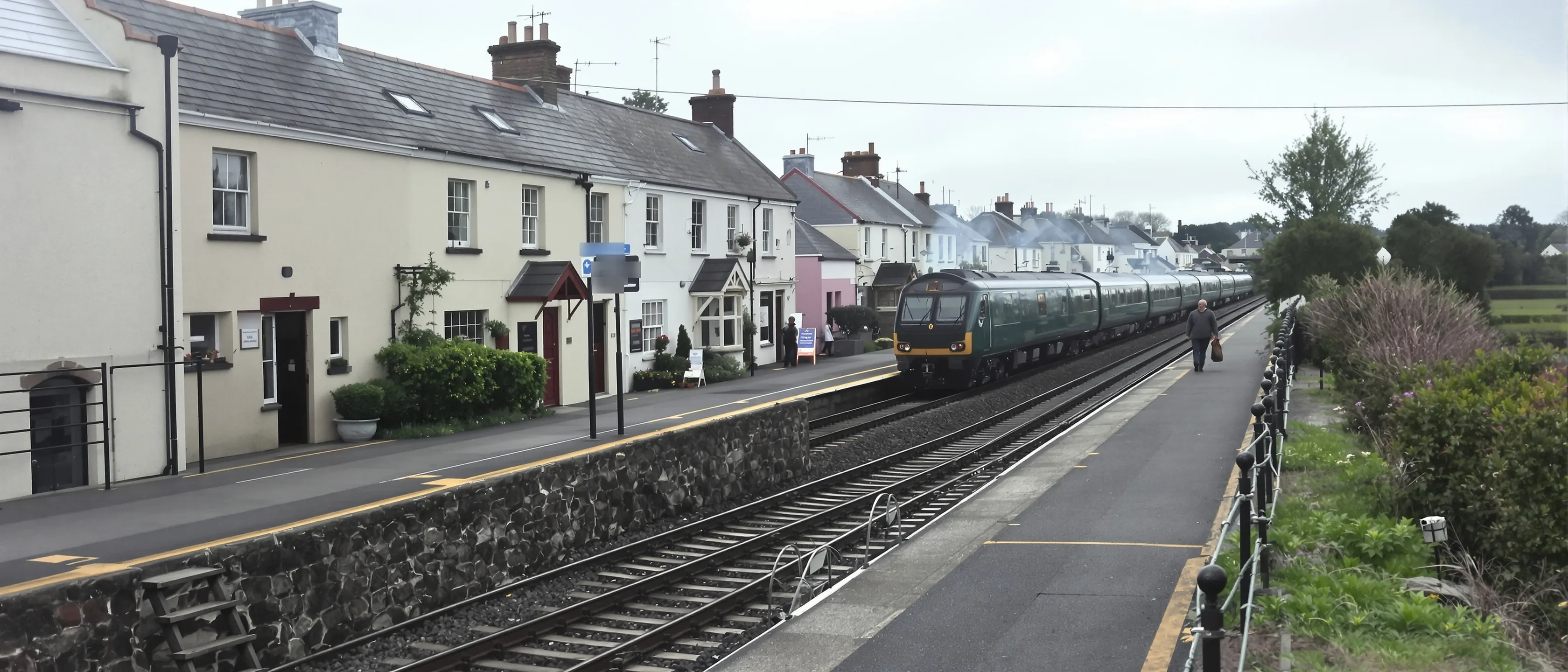
The honest answer first
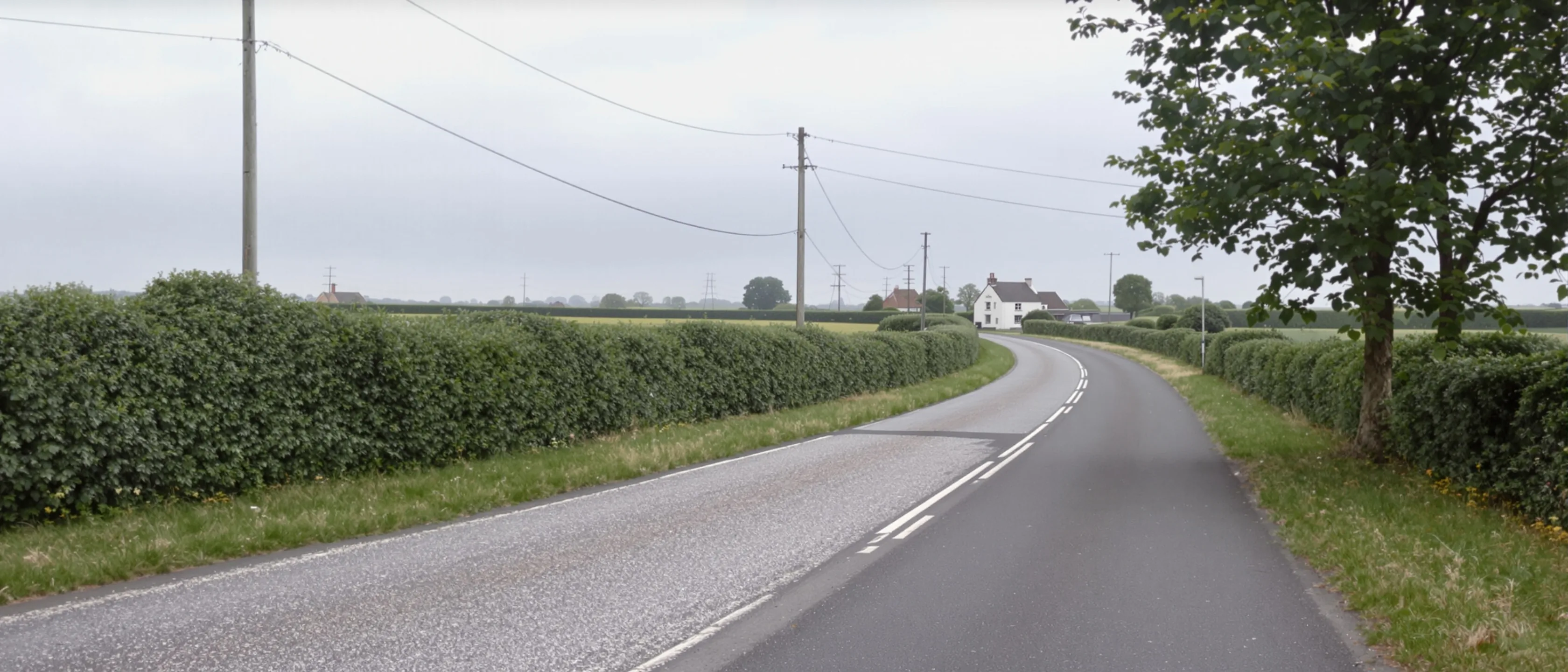
The south-east works by car, and mostly with one per adult. There are rail lines, there are buses, and there is the rural bus programme Local Link, whose frequency the operator itself describes as “daily to once a week or once a fortnight”. That is no understatement; that is the official self-description. On the page Why Ireland Sebastian tells of his village with one bus a day to Dungarvan; that village was no exception, it was country life.
What public transport here is really good for: the train as the link to Dublin for an appointment or a flight, the city buses in Waterford for everyday life in town, the school bus for the children, Local Link as an extra for teenagers and older people in the larger towns. Teenagers in Ireland can get a learner permit for a car at 17, but they may only drive with someone who has held a full licence for at least two years. What it is not good for: replacing the family car. Anyone who tells you otherwise has not lived here.
The railway
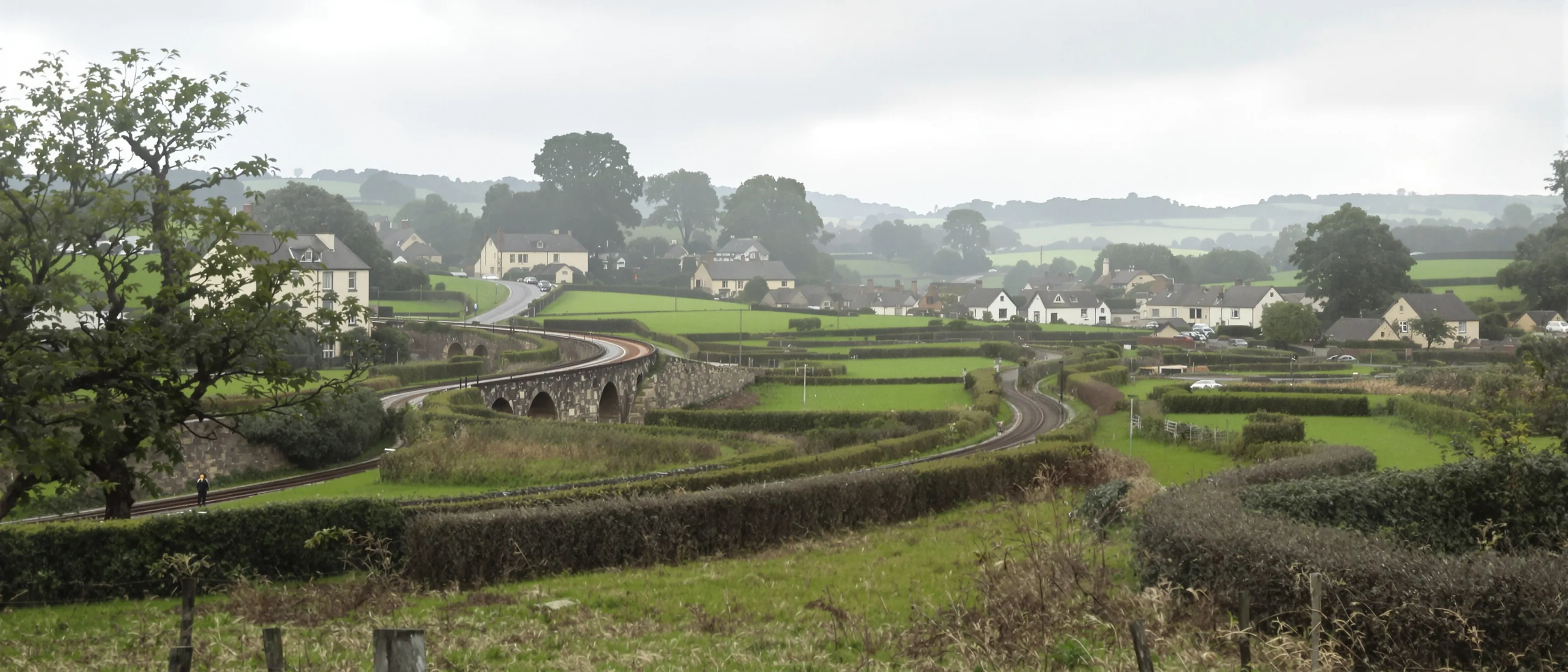
Two lines carry the east of the region. The coast line from Dublin Connolly to Rosslare Europort stops at Gorey, Enniscorthy, Wexford, Rosslare Strand, Rosslare Europort; from Wexford there are 5 trains towards Dublin on weekdays and 4 back to the sea. From Waterford to Dublin Heuston there are 8 trains each way on weekdays, via Kilkenny and Carlow. We counted these in the transport authority’s official timetable dataset (as of 22 August 2026), not in a brochure. At the Cork end of the region a third element comes in: the commuter network around Cork Kent station, with trains to Mallow, Cobh and Midleton and the intercity line to Dublin Heuston.
And the gap you should know about before you look at a map with rail lines on it: no passenger train runs between Waterford and Rosslare. The line through south Wexford exists as track, but not as a service. Across the region you travel by bus or by car; from here the railway always thinks towards Dublin.
| Route | Trains each way |
|---|---|
| Wexford, towards Dublin Connolly | 5 |
| Wexford, towards Rosslare Europort | 4 |
| Waterford, to and from Dublin Heuston | 8 |
| Waterford, to and from Rosslare | no passenger service |
Source: NTA, official Irish Rail GTFS timetable dataset, 22 August 2026 (weekdays counted). As of: retrieved 23 August 2026.
Bus Éireann and the city buses
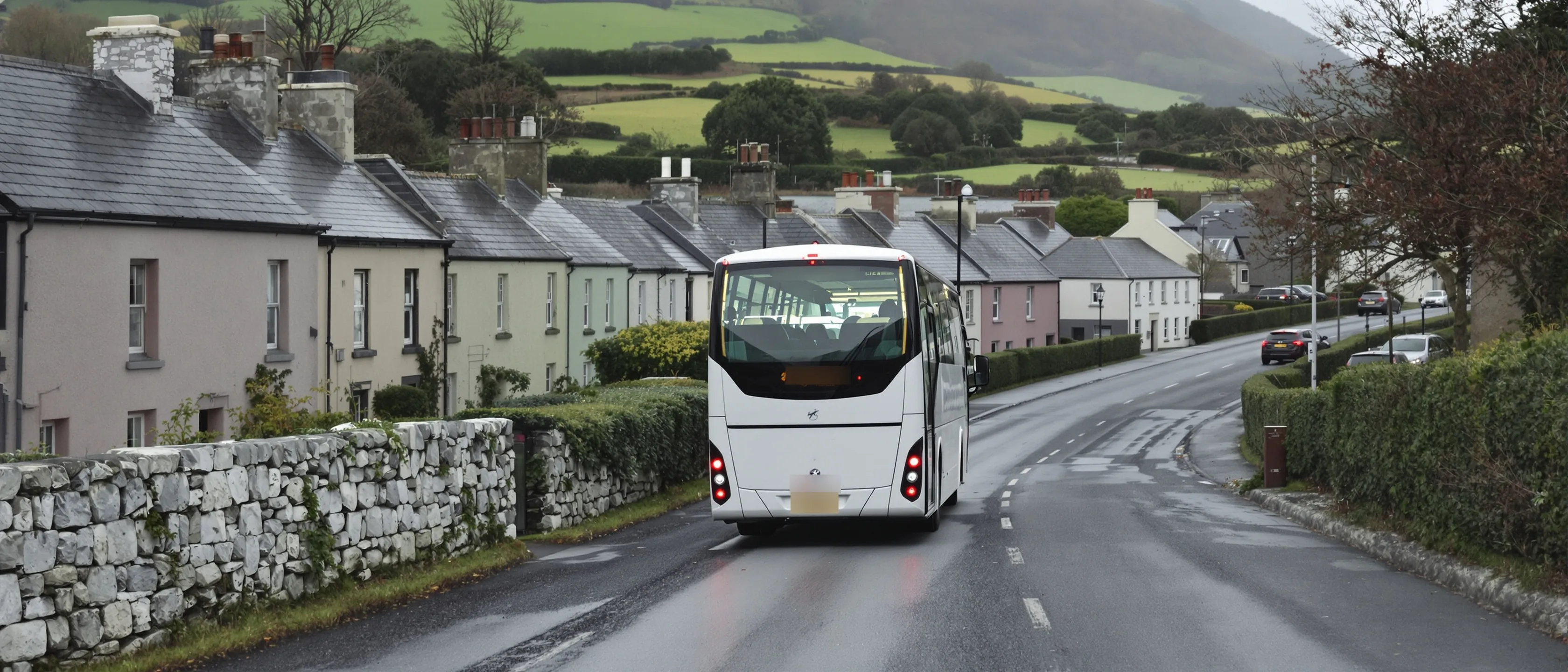
Bus Éireann’s intercity network links the towns of the region with each other and with Dublin and Cork: among others Wexford with Dublin Airport, Waterford with New Ross and Wexford, Dungarvan and Tramore with Waterford, Youghal and Ardmore with Cork. For commuting between two small towns the frequency is usable; for getting home after a night out at ten o’clock it is not.
Waterford, the largest city in the region after Cork, has its own city bus network with routes W1 to W5. A city journey costs €1.35 with the Leap Card, €0.65 for children and young adults. If you live in Waterford city or Wexford town, you really can manage day to day to some extent without a second car; that is the one case in which we can honestly say so.
TFI Local Link: the rural bus
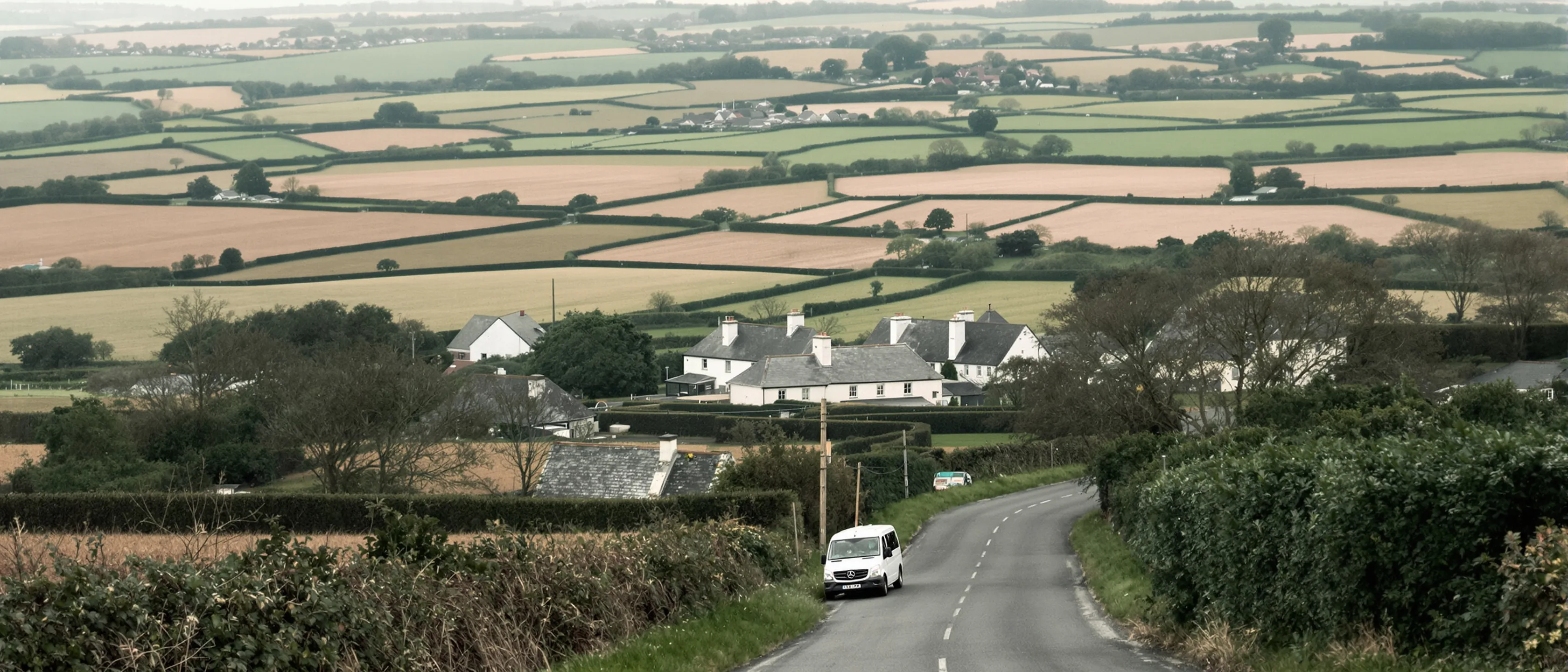
Local Link is the state’s rural bus programme: fixed rural routes, plus door-to-door journeys you book ahead (at least a day before) and community cars. In Wexford the routes link Wexford town with Enniscorthy and Rosslare, among others, and in Waterford they link Tramore and Dungarvan with the city. The programme has been growing for years and is a real gain for teenagers who want to get to training or to friends.
Just measure it against its own claim. A bus that runs once a day or once a week does not replace a car; it replaces single journeys. That is exactly how the authority describes it, and that is exactly how you should plan for it.
Leap Card and fares
The best way to pay across the country is the Leap Card, the top-up travel card: it saves up to 30 per cent on the cash fare. Students and young adults aged 19 to 25 can get their own card with 50 per cent off, which is also valid with the commercial operators. Child fares are lower again.
One detail for planning: the 90-minute fare, which lets you change for a fixed price, applies only in Dublin and in Cork city, on the western edge of the region. Everywhere else you pay per journey, and the amounts stay small; what weighs in the end is not the fare but the timetable.
The school bus
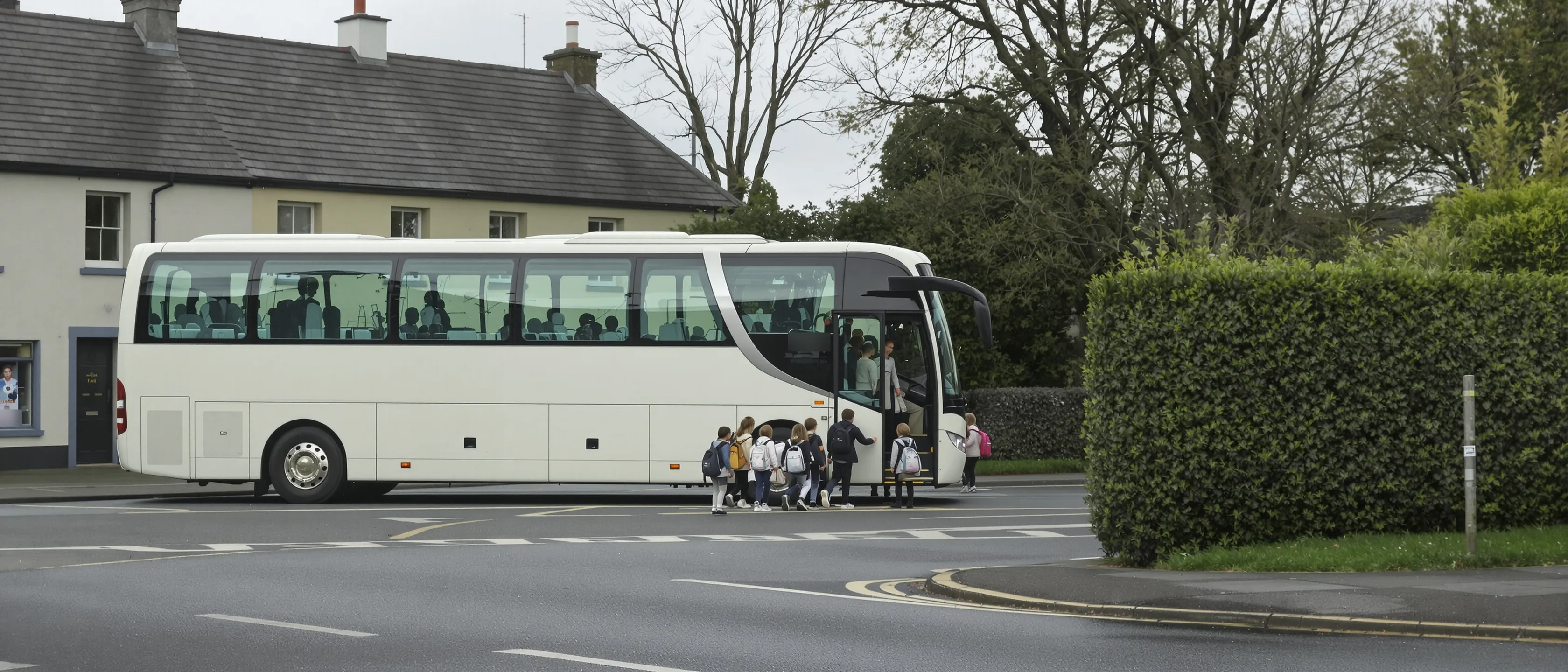
For families the most important public transport in the region is the school bus. Bus Éireann runs it on behalf of the Department of Education, and the entitlement is clearly set: from 3.2 km to the nearest primary school, from 4.8 km to the nearest secondary school. In the school year 2026/27 a place costs €100 per child, capped at €200 per family for primary pupils and €220 in total; with a medical card it is free.
Two things for planning: the application deadline comes early (for 2026/27 it was 8 May 2026), and the entitlement applies to the nearest school, not to the school of your choice two towns away. If choosing a school is part of choosing a place, the school bus belongs in the same sums as the house; more on choosing a school is under the school system.
| Rule | Value |
|---|---|
| Entitlement, primary school, distance from | 3.2 km |
| Entitlement, secondary school, from | 4.8 km |
| Charge per child per year | €100 |
| Family cap (primary) | €200 |
| Family cap (overall) | €220 |
| With a medical card | free |
Source: Citizens Information, School transport schemes (primary and post-primary), pages dated 11 May and 6 July 2026; operated by Bus Éireann for the Department of Education. As of: retrieved 23 August 2026.
Ask someone who lives there
Marc tells you what a price really means in your area, which school suits your family and in what order to tackle things. You take the steps yourself.