Ireland is not in NATO. And that is exactly why you are looking at the country right now.
What staying out of alliances means if the worst happens, what it does not mean, and why it can still make a decisive difference for families.

Alliances can be debated in terms of international law, and on the page about neutrality we do that. This page asks the other question, the parents’ question: what does a country feel like that has belonged to no military alliance for decades, and how much of that actually reaches a family’s daily life? Information as of August 2026.
No alliance, no alliance duties
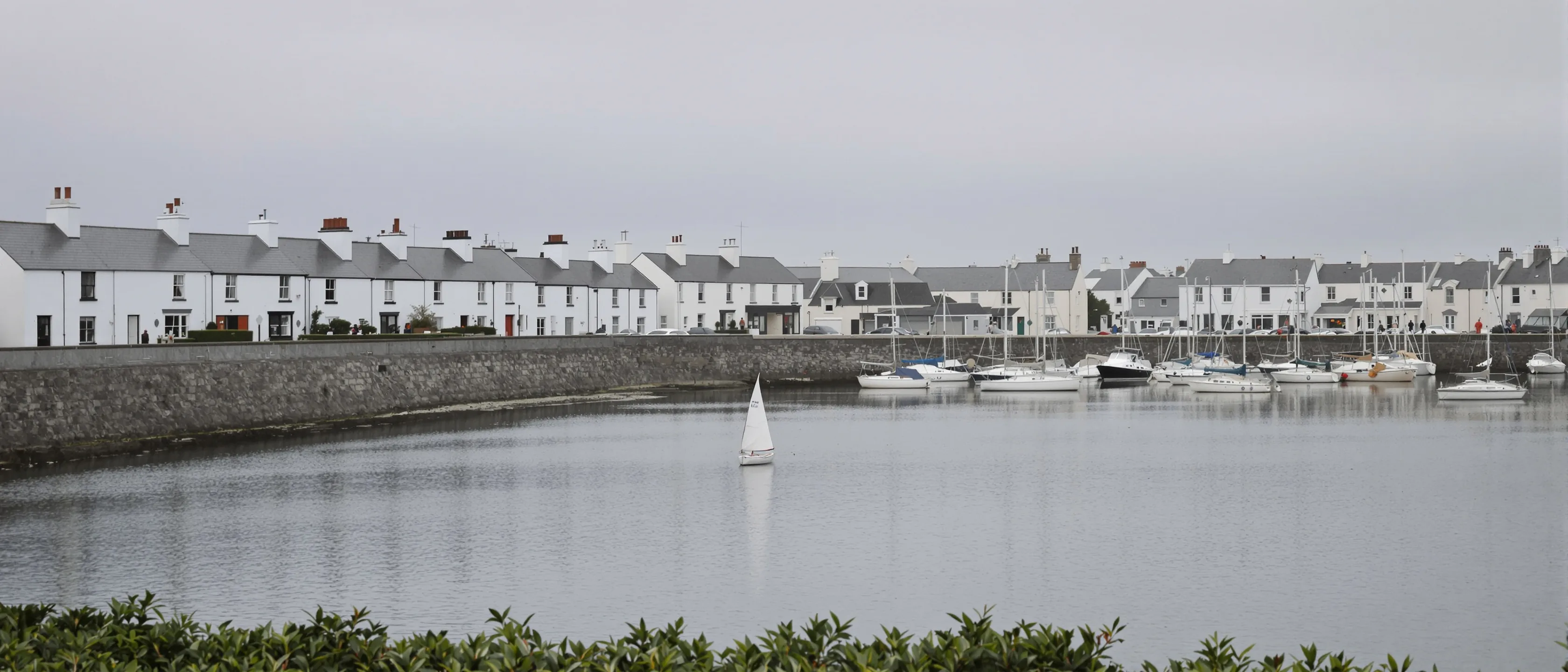
Ireland is not in NATO, and not by accident or weakness, but as a decision held for decades. The Irish government describes its policy of military neutrality as non-membership of military alliances and non-participation in mutual defence arrangements. No alliance obligation can automatically pull Ireland into a war, and no alliance makes Ireland a priority target.
| Since | |
|---|---|
| NATO | not a member |
| NATO Partnership for Peace | 1999 |
| EU PESCO | 2017 |
Source: Bunreacht na hÉireann, Articles 28 and 29; Oireachtas debates 2022 and 2023; RTÉ and The Irish Times, 1 and 9 June 2026; Department of Defence press release. As of: as of 22 August 2026; the bill was not in force on that date.
The second and third rows are in the table on purpose: non-aligned does not mean sealed off, and if you expect the opposite you should read the page on the limits of neutrality first. But the core remains: Ireland is not a member of a military alliance.
No conscription, no register
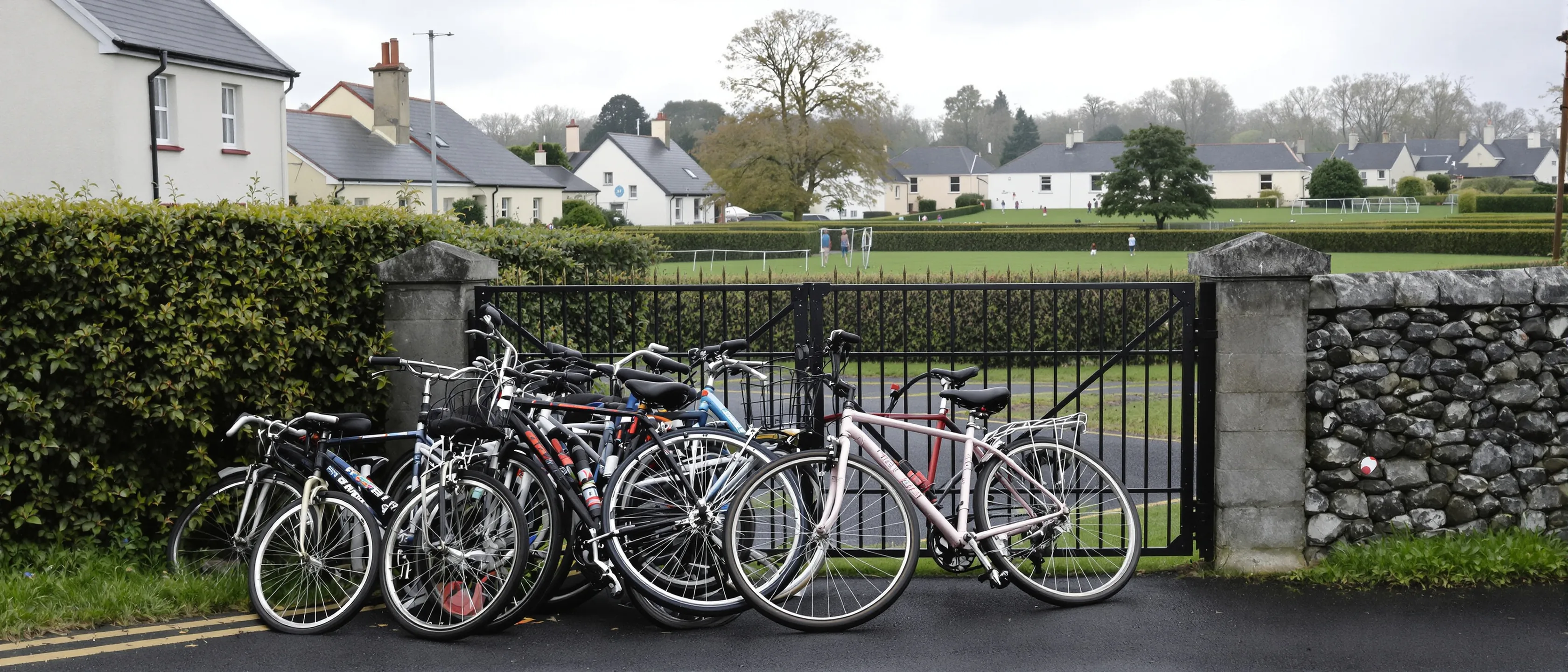
For parents the second point is often the real one: Ireland has no conscription. There is no system that registers an age group, no compulsory medical screening and no legal mechanism that prepares a later call-up. The Irish Defence Forces are a volunteer force, and an Irish teenager grows up without the state ever sending a questionnaire about his fitness for service.
The contrast with the direction elsewhere in Europe is the reason this pillar exists. In Sweden, everyone who lives in the country is subject to the total defence duty from the year they turn 16 to the year they turn 70, and young people are called to mönstring, the enrolment for service. In Germany, registration has been back since the start of 2026, compulsory screening of men born in 2008 is set for 1 July 2027, and a mechanism for conscription on demand is written into the law. The full case, with legal status and references, is on the safe harbour overview. Here the sober comparison of systems is enough: one part of Europe is rebuilding the machinery of registration, the other country never had it.
Source for Sweden: Plikt- och prövningsverket, Totalförsvarsplikt och krigsplaceringar, and Mönstringsboken for those born in 2008 (pliktverket.se). As of: retrieved 6 November 2026. Germany: legal status 23 August 2026, checked against the consolidated texts (Military Service Modernisation Act, in force since 1 January 2026).
What it means for your children, and what it does not

Now the precision that separates this page from an advertisement. The move to Ireland changes your children’s daily life at once: they grow up in a country without conscription and without alliance constraints. What the move alone does not change is their citizenship. A child keeps the passport it has, and its relationship to that country’s military service law is decided by that country’s law, including whether and how any duty follows a citizen who lives abroad. That is a question to check in each case, with the law of your own country.
The solid route to a legal status of the child’s own runs through the Irish passport: after five years of residence naturalisation can be applied for under current law, the government decided on 9 September 2026 to make that eight years, and a child with an Irish passport stands in a different relationship to the world than one that merely lives somewhere else. That is why the safe harbour and the passport pillar belong together on this site: the place works at once, the passport makes the position lasting. How the two clocks run together is something Sebastian works through with you in the consultation.
More in Safe harbour
The first step is a conversation
One hour in which your situation is sorted and you know what to do.